
Sunday
April 25 at 3:00 PM
Buy Tickets >
Friday
April 23 at 7:30 PM
Buy Tickets >
2026-27 Season > Blow’s Venus and Adonis and Purcell’s Dido and Aeneas
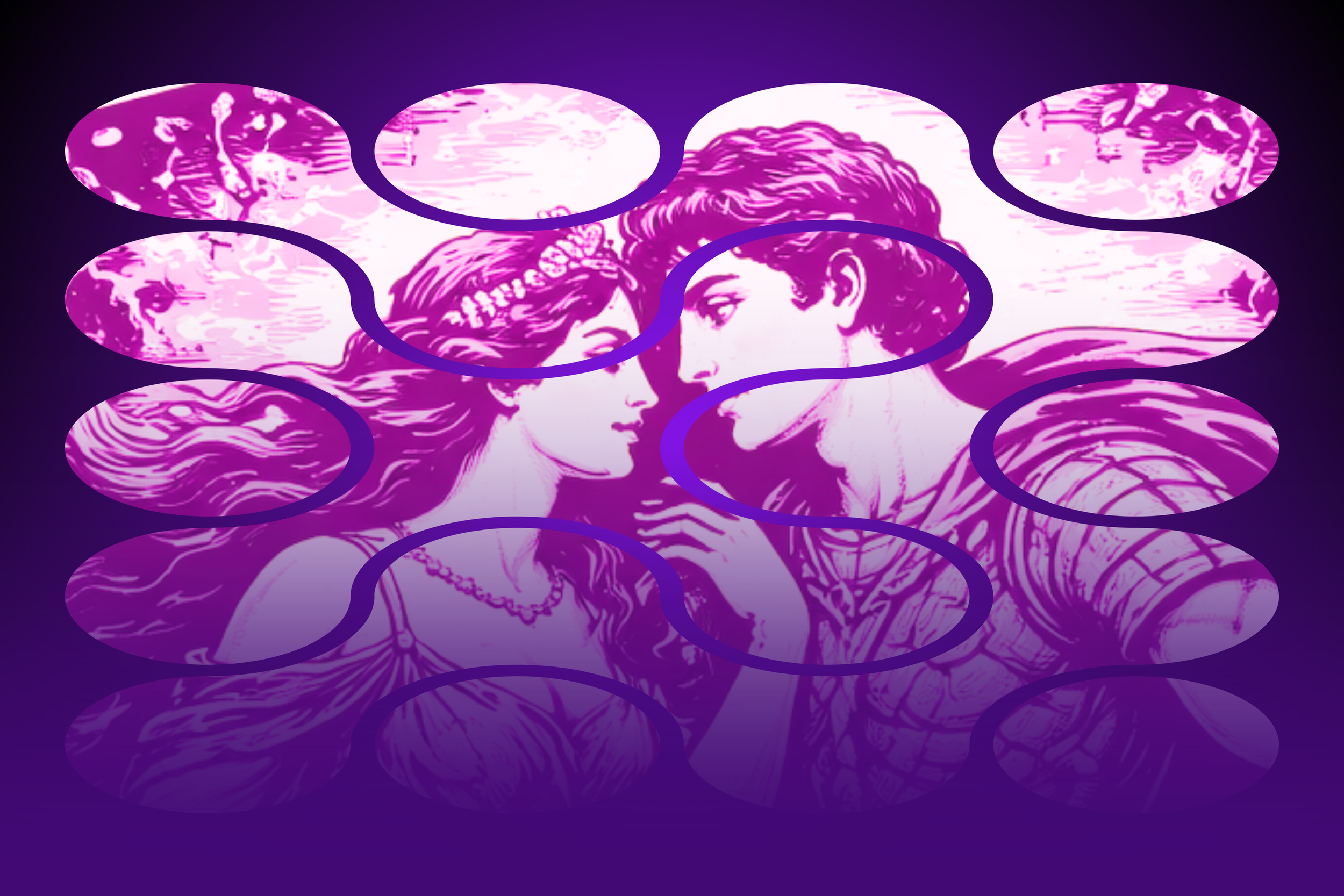
Join Boston Baroque for an evening of two landmark English operas: John Blow’s Venus and Adonis and Henry Purcell’s Dido and Aeneas.
Presented together, these compact masterpieces trace the emergence of English opera in the late seventeenth century. Closely connected in both style and history, Venus and Adonis is widely believed to have influenced Purcell’s Dido and Aeneas, which was composed only a few years later. Both works place a powerful woman at the center of the drama, draw on stories from classical mythology, and conclude with some of the most poignant music of the Baroque era.
Blow’s Venus and Adonis tells the story of the goddess Venus and her mortal lover Adonis. Despite Venus's attempts to keep him from danger, Adonis departs for the hunt and is fatally wounded by a wild boar. Blending courtly entertainment with genuine emotional depth, the opera moves from playful scenes of love and Cupid’s mischief to a tragic conclusion that foreshadows later operatic masterpieces.
After intermission, Purcell’s Dido and Aeneas recounts the ill-fated love between Dido, Queen of Carthage, and the Trojan hero Aeneas. When supernatural forces intervene, Aeneas abandons Dido to fulfill his destiny, leaving her to face heartbreak and death. Though lasting little more than an hour, the opera contains some of the most memorable music in the Baroque repertoire, culminating in Dido’s famous lament, one of the defining scenes in all of opera.
Together, these works reveal the richness and ambition of English musical theater at a formative moment in its history. With unforgettable characters, mythological storytelling, and music of remarkable invention, Venus and Adonis and Dido and Aeneas remain as compelling today as they were more than three centuries ago.
Join us at Jordan Hall for this rare opportunity to experience two foundational operas side by side, performed by an exceptional cast under the music direction of Lionel Meunier.
Date/Time
Apr 23 & Apr 25, 2027
Location
New England Conservatory’s Jordan Hall | 30 Gainsborough St, Boston, MA 02115
Ticket Prices
$25 - $110 | 10% off for subscriptions
PROGRAM
John Blow’s Venus and Adonis
ACT 1
ACT 2
ACT 3
Henry Purcell’s Dido and Aeneas
ACT 1
ACT 2
ACT 3
Estimated Run Time
3 HRS | One 20-Minute Intermission
Sung In
ENGLISH
ARTISTS
Conductor
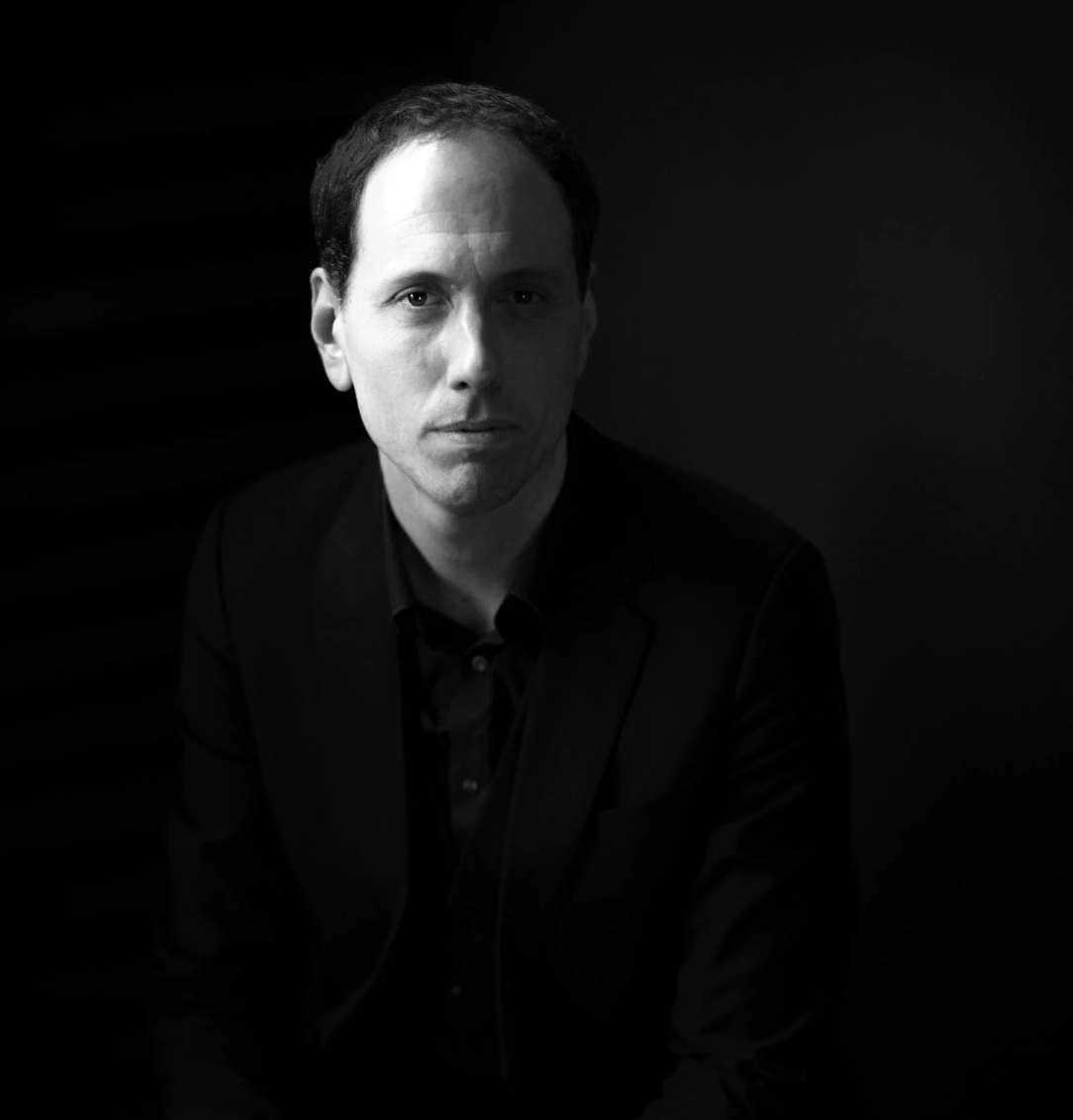
Lionel Meunier

Stage Director
TBA
Dido
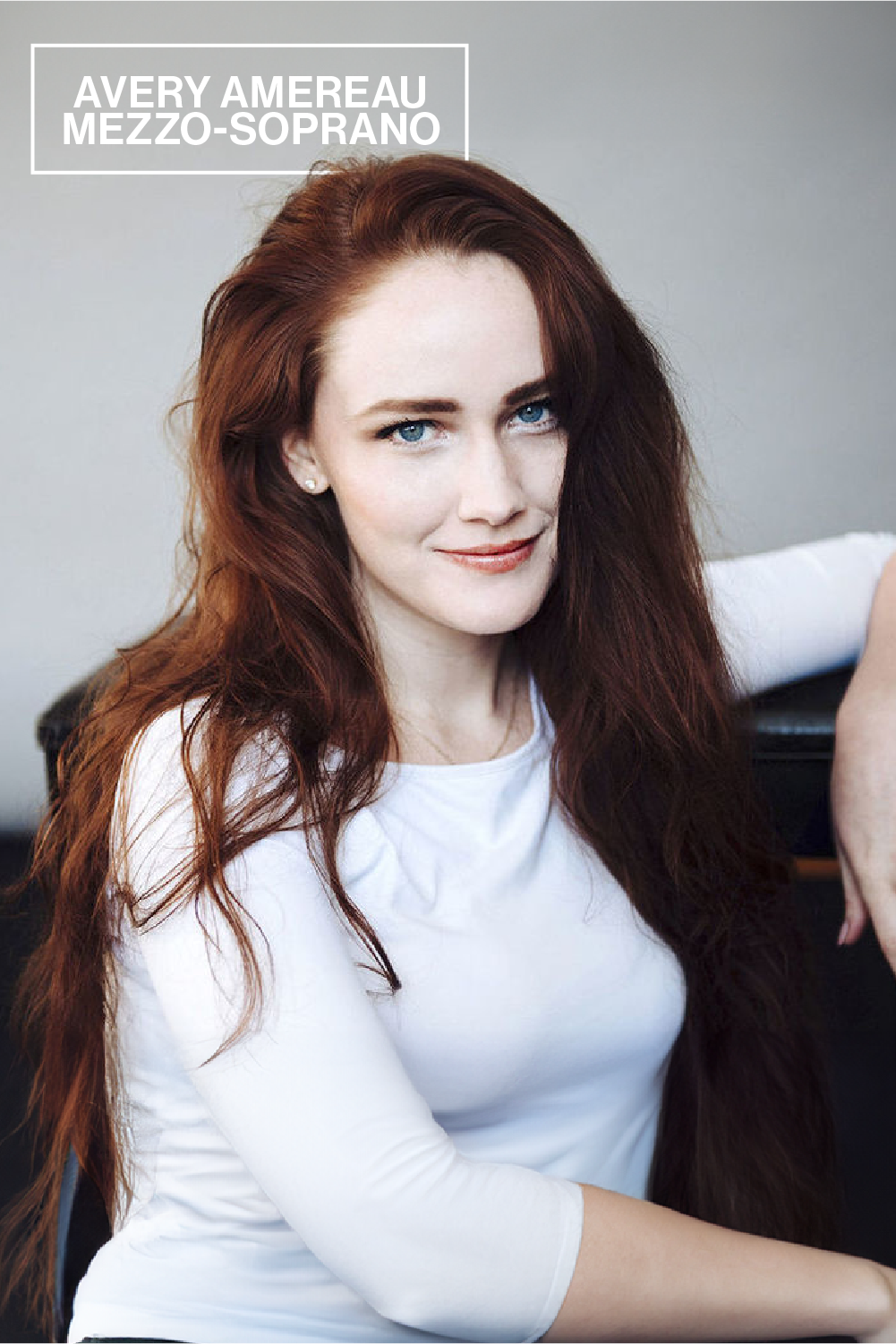
Avery Amereau
Aeneas/Adonis
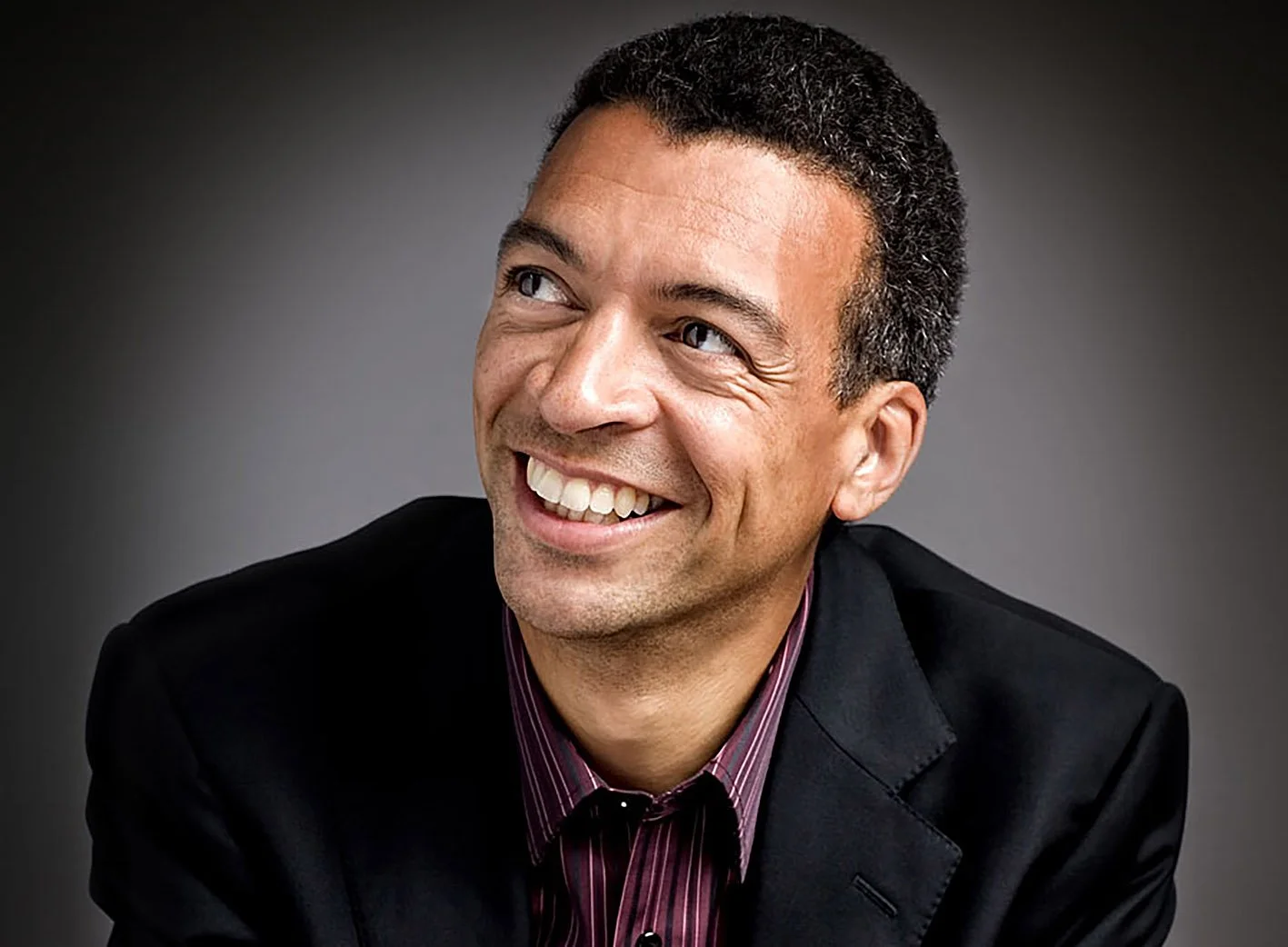
Roderick Williams

Venus
Amanda Forsythe

Belinda/Cupid
Song Hee Lee
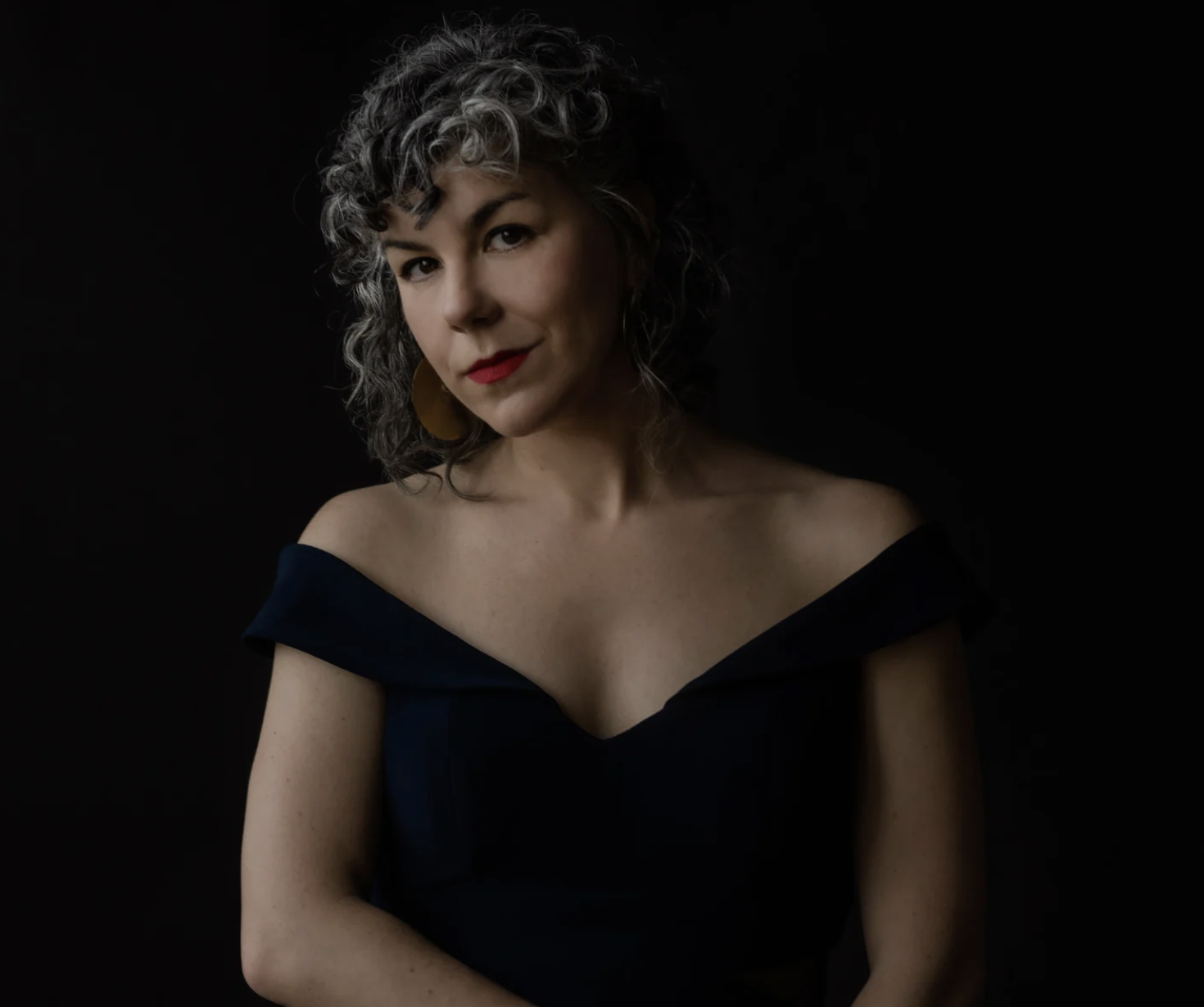
Sorceress
Sophie Michaux
COMPOSERS
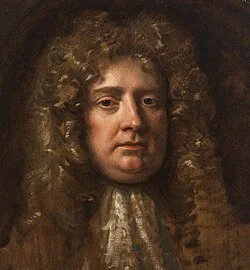
John Blow (1649–1708)
An important figure of the English Baroque and a key predecessor to Henry Purcell, John Blow served as organist at Westminster Abbey and held several prominent positions in the English royal musical establishment. His work helped shape the emerging tradition of English dramatic music in the late 17th century, combining courtly elegance with expressive theatrical writing.
Composed for the Restoration court, Venus and Adonis is often regarded as one of the earliest English operas and a foundational work in the development of the genre. Structured as a masque with a prologue and three acts, it tells the mythological story of Venus and Adonis with refined vocal writing, dance interludes, and a strong sense of dramatic pacing. The work’s blend of lyrical intimacy and courtly spectacle had a profound influence on later English opera, most notably Henry Purcell’s Dido and Aeneas, which followed its model while expanding its emotional scope.
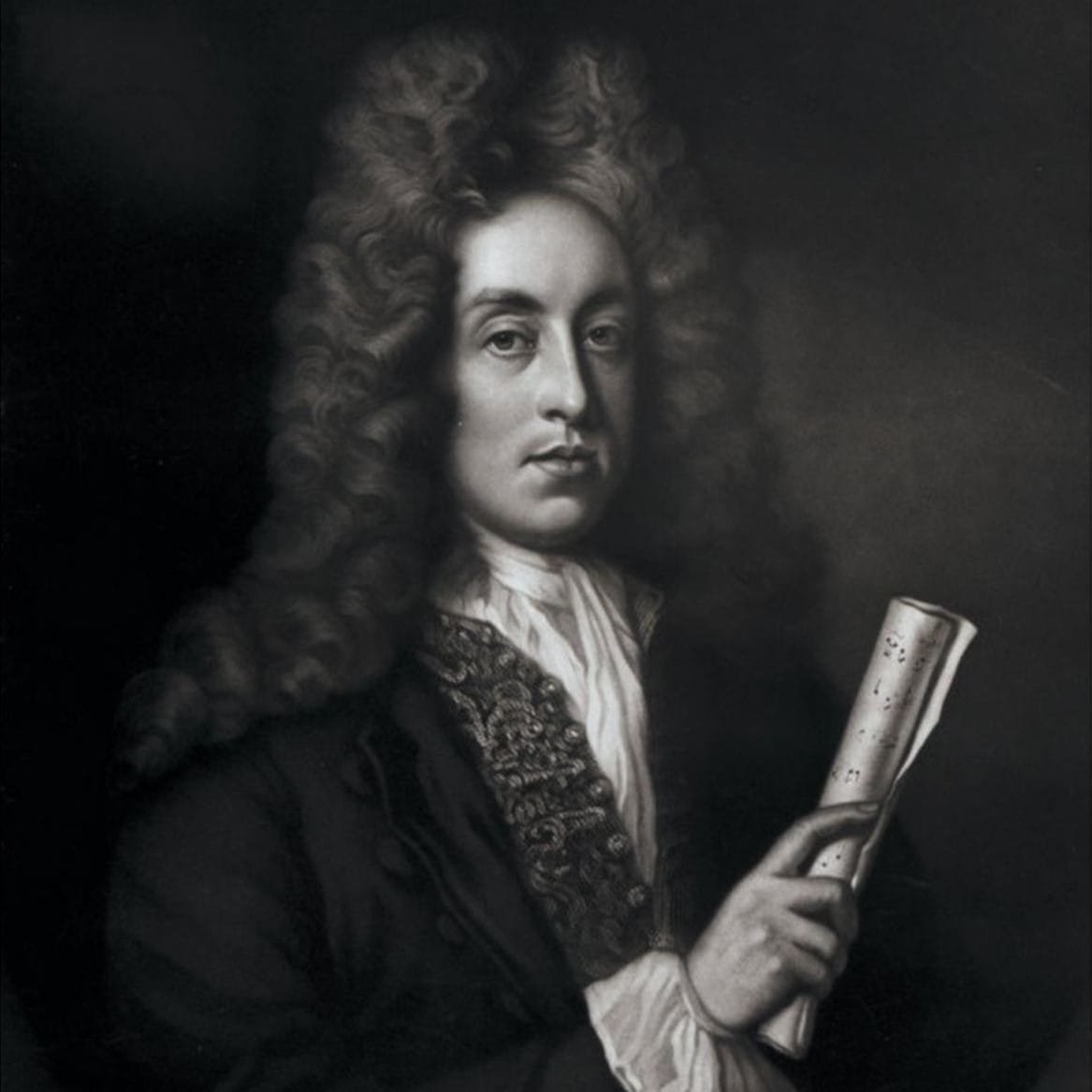
Henry Purcell (1659–1695)
Widely regarded as one of England’s greatest composers, Henry Purcell combined native English traditions with continental Baroque influences to create music of extraordinary expressiveness and originality. Serving as organist at Westminster Abbey and composer for the royal court, Purcell produced a remarkable output of sacred music, chamber works, and stage compositions that remain central to the English musical canon.
Composed in the late 17th century, Dido and Aeneas is Purcell’s only fully sung opera and one of the earliest masterpieces of English opera. Drawing on classical mythology through Nahum Tate’s libretto, the work follows the tragic love story of Dido, Queen of Carthage, and the Trojan hero Aeneas. With its tightly structured three-act form, vivid character writing, and deeply affecting emotional arc, the opera culminates in one of the most poignant farewell scenes in Baroque music, securing its place as a cornerstone of the operatic repertoire.