

Patrick Dupre Quigley
Guest Conductor
Debut
Performance
Haydn’s Lord Nelson Mass
March 6
2026
Boston Baroque debut
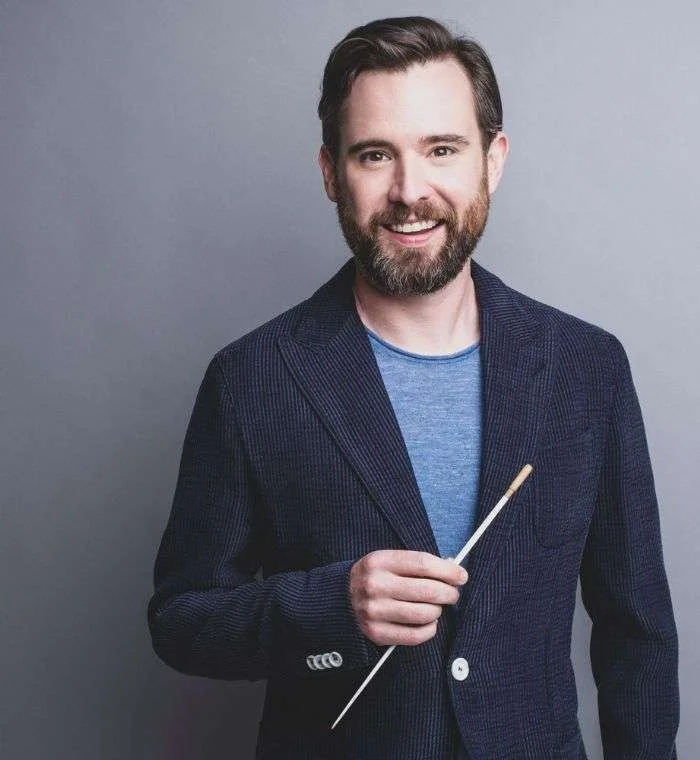
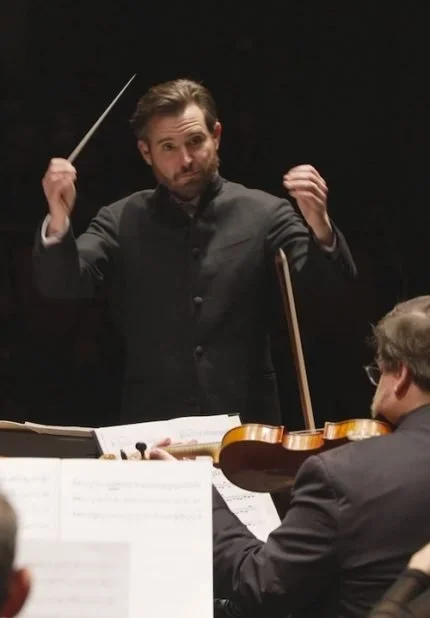
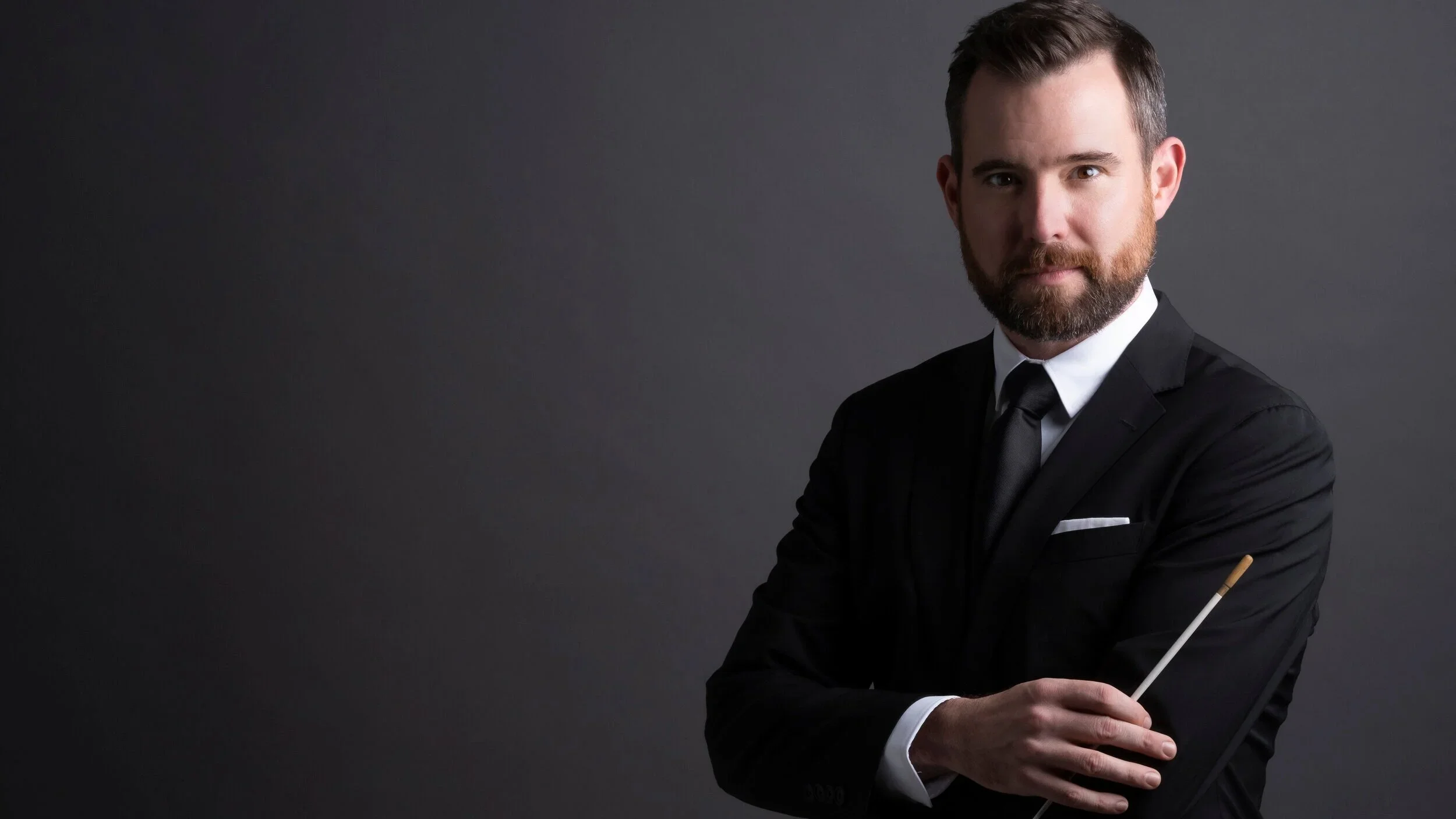
Patrick Dupré Quigley is the Artistic Director of Opera Lafayette (DC/NYC), the country’s oldest period-instrument opera company. He is the Founder and Artistic Director of Seraphic Fire (Miami), and in June 2026 will transition to the role of Artistic Director Laureate in recognition of 24 years at the helm of the ensemble.
Quigley is widely recognized for his inquisitive and historically grounded approach to 17th- and 18th-century repertoire, shaped by close collaboration with both modern and period-instrument orchestras. Selected orchestral engagements include Bach with the Baltimore Symphony Orchestra; Mozart with the Phoenix Symphony; Ligeti and Monteverdi with the San Francisco Symphony; Purcell and Rameau with Chicago’s Music of the Baroque; Bach’s Orchestral Suites and Violin Concerti with Gil Shaham and the Orchestra of St. Luke’s; Mozart with Ronald Brautigam and the Utah Symphony Orchestra; the Mozart Requiem with The Cleveland Orchestra; Dido and Aeneas at the Spoleto Festival; Handel with the Saint Paul Chamber Orchestra; Mozart and Haydn with Boston Baroque; and Bach and Vivaldi with Philharmonia Baroque Orchestra.
“A vivid, sensitive performance of Handel”
Quigley’s work reflects a sustained engagement with overlooked repertories and musical traditions. In collaboration with Givonna Joseph and OperaCréole, he edited, premiered, and recorded the World Premiere of Edmond Dédé’s Morgiane (1887), a French grand opera by an American free composer of color in European exile and the first known complete, extant opera by a Black American. His work with scholar Honey Meconi resulted in the first complete performance and recording of Hildegard of Bingen’s Ordo Virtutum, restoring the full dramatic scope of the work.
Quigley has also developed projects reflecting a deep respect for musical traditions outside the Western European canon, including the Baroque music of North and South America, the music of the Babylonian Jews, New Orleans’s Black Gospel tradition, and contemporary Latin popular music.
“An intensely dramatic view of Mozart’s last work, emphasizing the uncompromising counterpoint”