2026-27 Season > The X-tet: Songs of The Aviary
Join Boston Baroque for an imaginative program exploring the ways composers have listened to, imitated, and been inspired by the natural world.
For centuries, birdsong has found its way into music. Long before field recordings and modern technology, composers attempted to capture the calls of cuckoos, nightingales, and other birds through instrumental music. This program brings together works from the seventeenth and eighteenth centuries that transform birdsong into musical motifs, from the playful cuckoo calls of Biber and Schmelzer to the vivid evocations of spring in Vivaldi and Rameau’s elegant portrait of birds in conversation.
At the center of the program is the world premiere of a new work by composer Lei Liang. Inspired by the song of the Kauaʻi ʻōʻō, a Hawaiian bird declared extinct in 1987, the piece reflects on memory, loss, and the traces that remain after a voice has disappeared. The final recording of a male Kauaʻi ʻōʻō calling for a mate that would never answer has become one of the most haunting documents of extinction in the modern era, offering a powerful point of connection between the natural world and musical expression.
Spanning more than three centuries, these works reveal how composers have drawn inspiration from birds not only as subjects for imitation but as symbols of beauty, wonder, remembrance, and change.
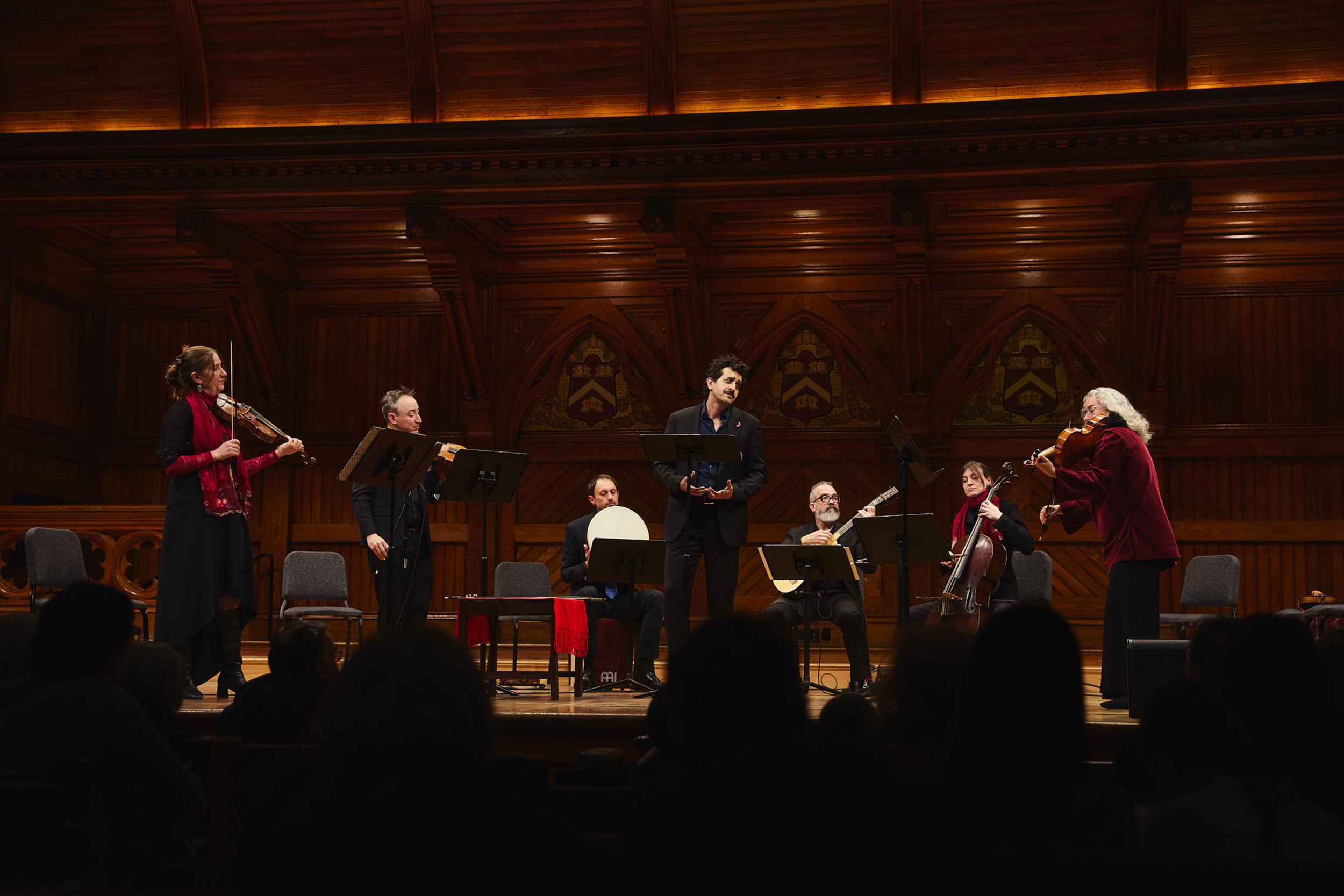
Join us at Sanders Theatre for a unique evening that connects Baroque masterpieces with a newly created work, inviting listeners to hear familiar sounds and the natural world itself with fresh ears.
Date/Time
Friday, May 14, 2027 | 7:30 PM
Estimated Run Time
90 MIN | No Intermission
Location
Harvard’s Sanders Theatre | 45 Quincy St, Cambridge, MA 02138
Ticket Prices
$30 - $70
ARTISTS

violin
Christina Day Martinson
Learn More >
violin
Jesse Irons
Learn More >
viola
Lauren Nelson
Learn More >

LISTEN
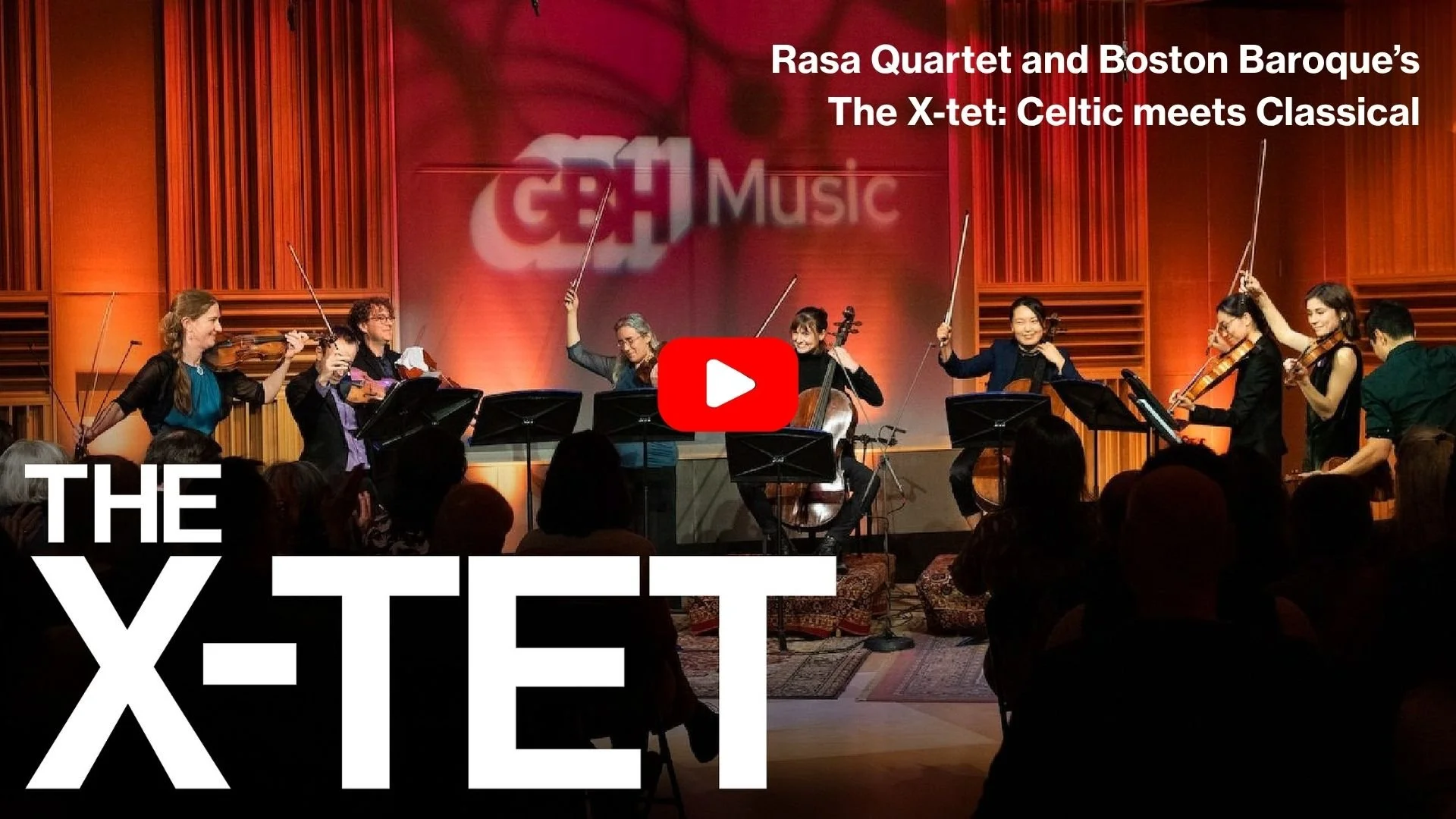
Explore recordings and highlights from past X-tet performances.
PROGRAM
“Deh temprate, oh sommi Dei” from Ulisse in Campania
Maria Teresa Agnesi (1720–1795)
Sonata Quarta (Sonata No.4)
Dario Castello (1602–1631)
Sonata à 6 in D minor
Antonio Bertali (1605–1669)
Sinfonia a cinque [5]
I. Grave
II. Allegro
III. Adagio
IV. Allegro
Tomaso Albinoni (1671–1751)
Concerto for Violin and Viola da Gamba in A major, RV 546
I. Allegro
II. Andante
III. Allegro
Antonio Vivaldi (1678-1741)
Antonio Archilei (c. 1542–1612)
"Dalle più alte sfere" from La pellegrina
George Frideric Handel (1685–1759)
Armida abbandonata, HWV 105
I. Recitativo: Dietro l’orme fugaci
II. Aria: Ah! crudele, e pur ten’ vai
III. Recitativo: Per te mi struggo, infido
IV. Recitativo: O voi, dell’incostante e procelloso mare orridi mostri
V. Aria: Venti, fermate, sì, nol sommergete
VI. Recitativo: Ma che parlo, che dico? Ah ch'io vaneggio!
VII. Aria: In tanti affanni miei
Johann Adolph Hasse (1699–1783)
“L’augelletto in lacci stretto” from Didone abbandonata
Anonymous
Tarantella del Gargano
Colin Jacobsen
Morgantina Studies
Introduction: Excavations
The Thrill of Discovery
A Closer Examination
A Final Reveal
COMPOSERS

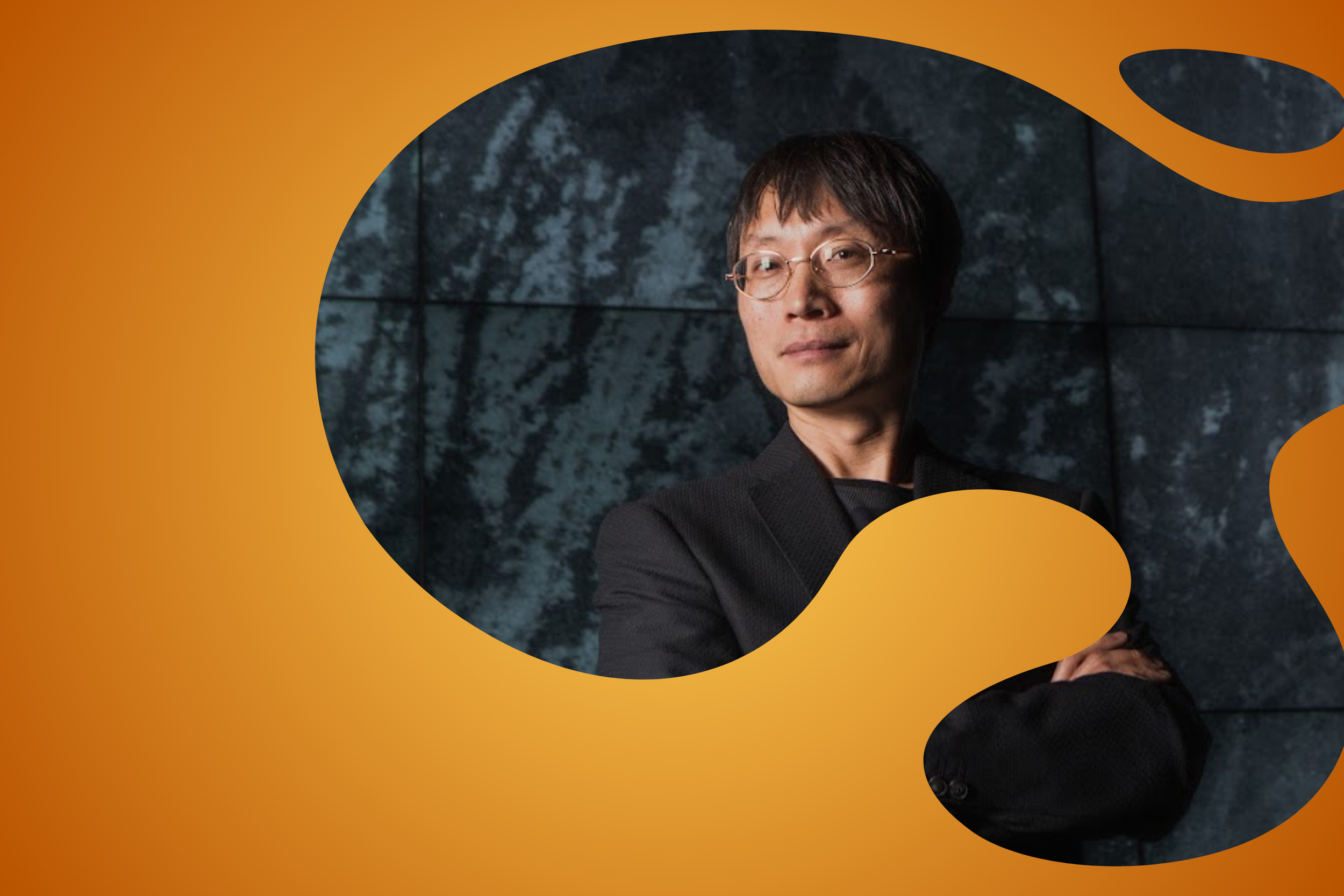
Lei Liang (b. 1972)
Chinese-American composer Lei Liang is celebrated for music that draws profound connections between memory, nature, and cultural heritage. A recipient of the Rome Prize and a professor of composition at the University of California, San Diego, Liang is known for works that blend contemporary techniques with inspirations drawn from traditional Asian music, environmental soundscapes, and oral histories. His compositions often give voice to disappearing cultures, endangered ecosystems, and overlooked stories, creating deeply evocative musical experiences that invite listeners to reflect on humanity’s relationship with the natural world. Through a language that is both imaginative and deeply expressive, Liang’s music transforms sound into a space for remembrance, wonder, and renewal.
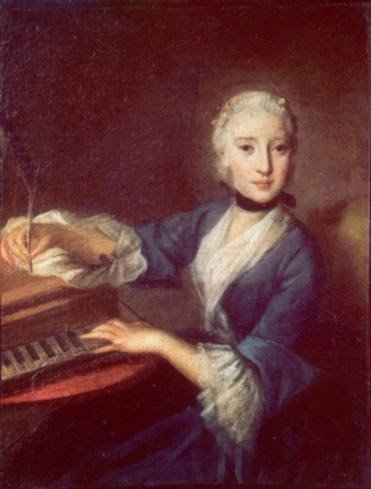
Maria Teresa Agnesi (1720–1795)
Maria Teresa Agnesi, a gifted composer, harpsichordist, and singer from Milan, brought expressive elegance to the musical life of eighteenth-century Italy. Her works range from intimate keyboard pieces and vocal arias to ambitious operas, revealing a talent equally at home in lyrical melody and dramatic storytelling. Drawing on her own abilities as a performer, Agnesi wrote music that combines vocal agility with warmth and emotional depth. At a time when few women gained recognition as opera composers, she developed a distinctive musical voice, earning admiration for works that unite refinement, imagination, and theatrical flair.
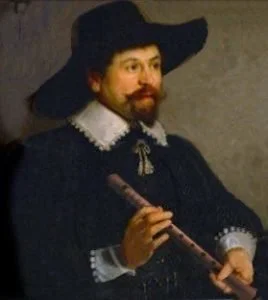
Dario Castello (1602–1631)
Dario Castello, a composer and instrumentalist active in seventeenth-century Venice, helped shape the bold, expressive language of early Baroque instrumental music. His Sonate concertate in stil moderno, or “concerted sonatas in the modern style,” explore vivid contrasts, virtuosic passages, and lively exchanges between instruments. Sonata Quarta reflects this inventive spirit, bringing musical voices into animated conversation through intertwining melodies and contrasting moods. Combining the intimacy of chamber music with a theatrical sense of drama, Castello gave instruments a compelling expressive power of their own.
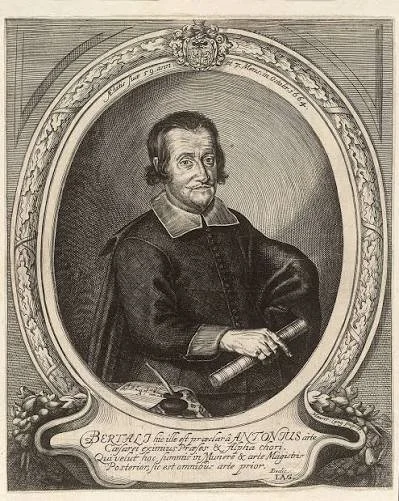
Antonio Bertali (1605–1669)
Antonio Bertali, an Italian composer and virtuoso violinist, brought the expressive richness of his homeland to the imperial court in Vienna, where he spent much of his career. His instrumental music combines lyrical warmth with intricate interplay, giving individual voices space to shine within a richly woven ensemble. In his Sonata à 6 in D minor, six instrumental parts create a musical conversation, reflecting the seventeenth-century fascination with contrasting textures and sonorities. Blending elegance, invention, and dramatic energy, Bertali helped shape the flourishing instrumental traditions of the early Baroque.
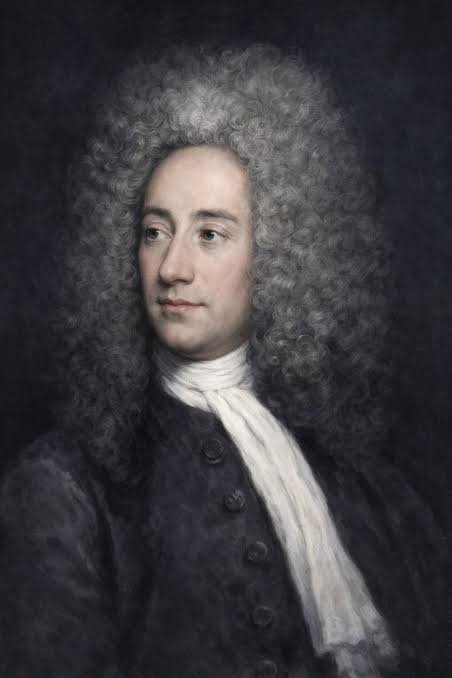
Tomaso Albinoni (1671–1751)
Tomaso Albinoni, a Venetian composer and violinist, brought melodic elegance and clarity to the instrumental music of the Italian Baroque. Celebrated in his lifetime for his operas, he also composed sonatas, concertos, and sinfonias that carried his reputation across Europe. His instrumental writing balances singing melodies with carefully shaped textures, combining lyrical expression with rhythmic vitality. The title Sinfonia a cinque refers to music in five instrumental parts, placing the interplay of the ensemble at its heart. With a gift for graceful phrasing and musical balance, Albinoni helped define the distinctive sound of the Venetian Baroque.
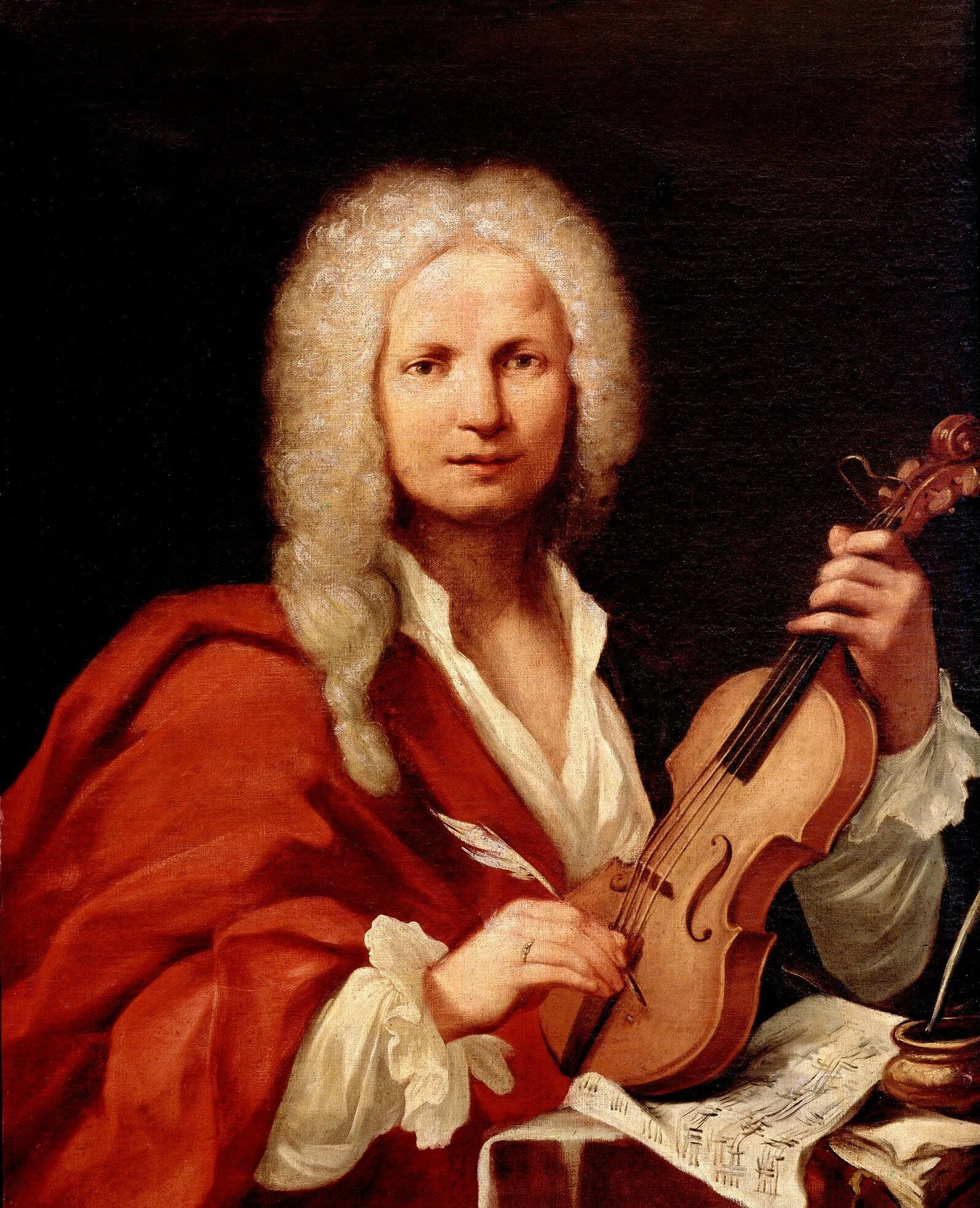
Antonio Vivaldi (1678–1741)
Antonio Vivaldi, the Venetian Baroque composer renowned for his concertos and operas, possessed a remarkable gift for musical storytelling. His works frequently drew inspiration from the natural world, nowhere more famously than in The Four Seasons, where birdsong, storms, and pastoral scenes come vividly to life through instrumental color and rhythmic energy. Combining virtuosity with memorable melodies, Vivaldi transformed familiar sights and sounds into musical experiences that evoke both the beauty and drama of the changing seasons. His enduring fascination with nature helped establish a tradition of musical depiction that would inspire generations of composers.

Antonio Archilei (c. 1542–1612)
Antonio Archilei, an Italian composer, singer, and lutenist, belonged to the Florentine court’s vibrant musical world as Renaissance spectacle began to give rise to opera. Attributed to Archilei, “Dalle più alte sfere” (“From the Highest Spheres”) opened the musical interludes for La pellegrina, presented in 1589 for the wedding of Ferdinando de’ Medici and Christine of Lorraine. His wife, the celebrated singer Vittoria Archilei, performed as Harmony, descending from the heavens to praise the bridal couple. With elaborate vocal ornamentation and celestial imagery, the piece reveals the dazzling theatrical imagination that helped prepare the way for early opera.

George Frideric Handel (1685–1759)
George Frideric Handel brought extraordinary dramatic instinct and emotional depth to the vocal music of the Baroque. Composed in Rome in 1707, his cantata Armida abbandonata, HWV 105 (“Armida Abandoned”), portrays the sorceress Armida after her lover, the knight Rinaldo, has deserted her. Through expressive recitatives and contrasting arias, Handel traces her shifting emotions, from grief and longing to fury and a desire for revenge, before returning to the vulnerability of heartbreak. With vivid instrumental writing and a commanding vocal part, the cantata creates the intensity of an operatic scene within the intimate setting of chamber music.
Johann Heinrich Schmelzer (c. 1620–1680)
Johann Heinrich Schmelzer, a leading figure of the Austrian Baroque and one of the first great violin composers north of the Alps, was celebrated for music of elegance, imagination, and theatrical flair. Serving at the imperial court in Vienna, Schmelzer embraced the growing taste for programmatic music, creating works that translated everyday sounds and scenes into instrumental expression. His playful “Cuckoo Sonata” captures the distinctive call of the bird with wit and charm, reflecting the Baroque fascination with imitation and the close observation of the natural world. Through such works, Schmelzer helped expand the expressive possibilities of instrumental music.