
2026-27 Season > The X-tet: Sounds of Italy
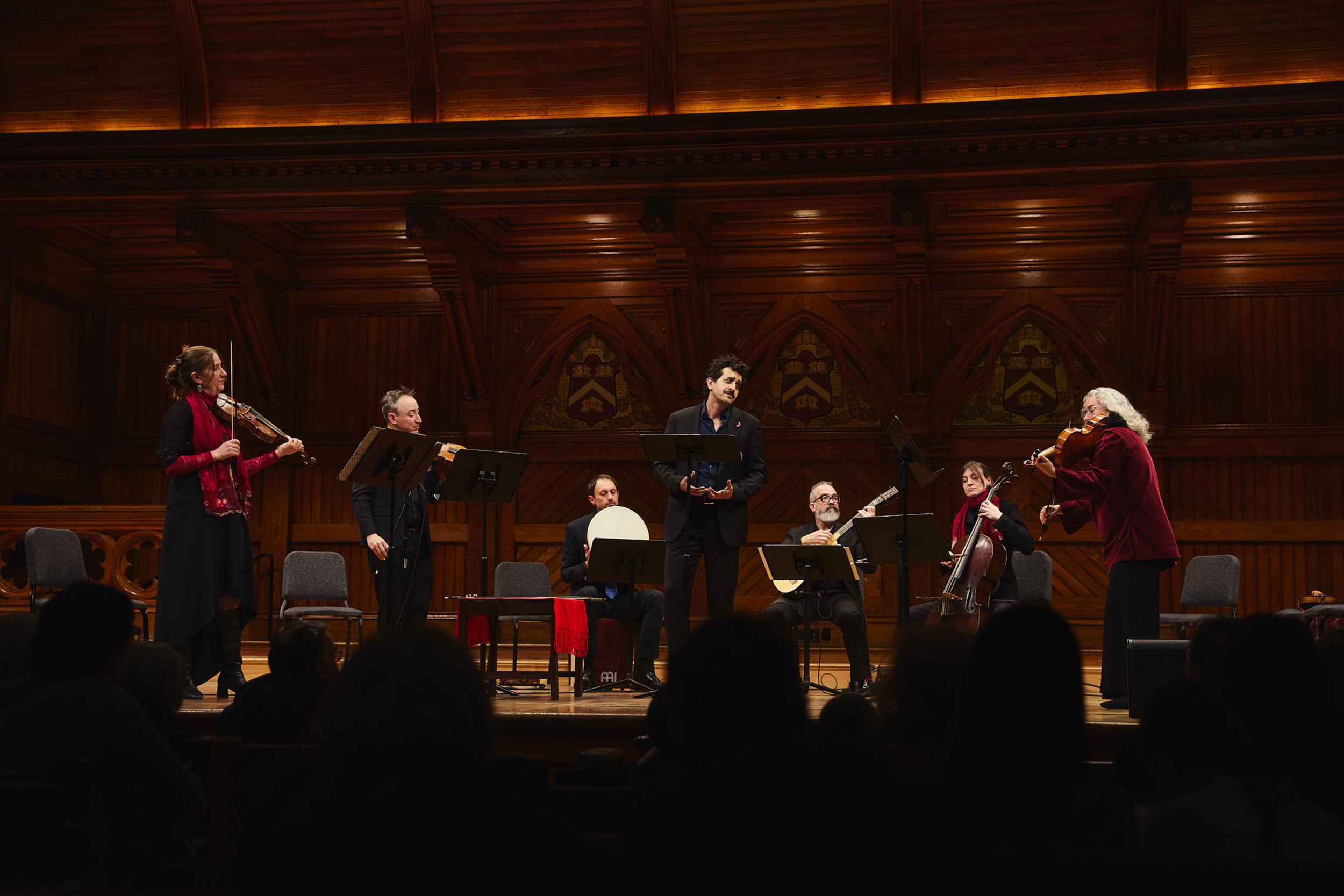
The X-tet returns with a sweeping celebration of Italian Baroque and Renaissance music, joined by GRAMMY® award-winning soprano Amanda Forsythe and viola da gamba player Cristiano Contadin. Spanning four centuries of Italy's most treasured chamber repertoire, the ensemble brings to life virtuosic works by Vivaldi, Albinoni, Castello, and Handel alongside rarely heard gems by Maria Teresa Agnesi and Antonio Archilei.
Highlights include Handel's dramatic cantata “Armida abbandonata” and Archilei's celestial “Dalle più alte sfere,” both featuring Forsythe's celebrated voice, alongside instrumental showpieces for strings, theorbo, and harpsichord. The program concludes with a nod to folk tradition in the spirited Tarantella Gargano, before Colin Jacobsen's new work, Morgantina Studies, brings the evening to a close.
Dates/Times
Friday, November 13, 2026 | 7:30 PM
Saturday, November 14, 2026 | 7:30 PM
Estimated Run Time
90 MIN | No Intermission
Location
Boston Conservatory at Berklee, Seully Hall | 8 Fenway, Boston, MA 02215
Ticket Prices
$30 - $70
ARTISTS

soprano
Amanda Forsythe
Learn More >
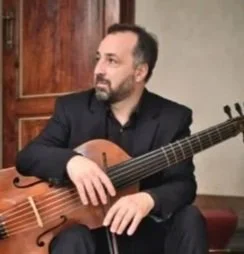
viola da gamba
Cristiano Contadin
Learn More >
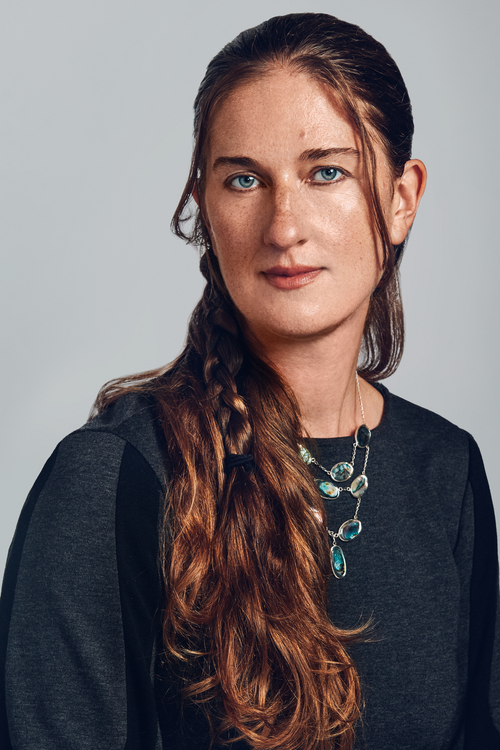
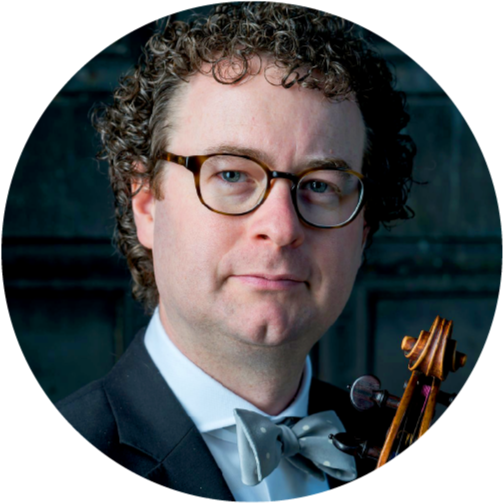
violin
Christina Day Martinson
Learn More >
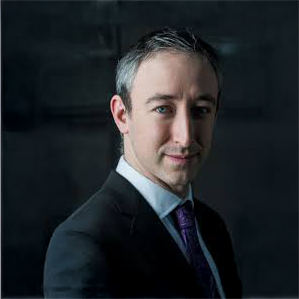

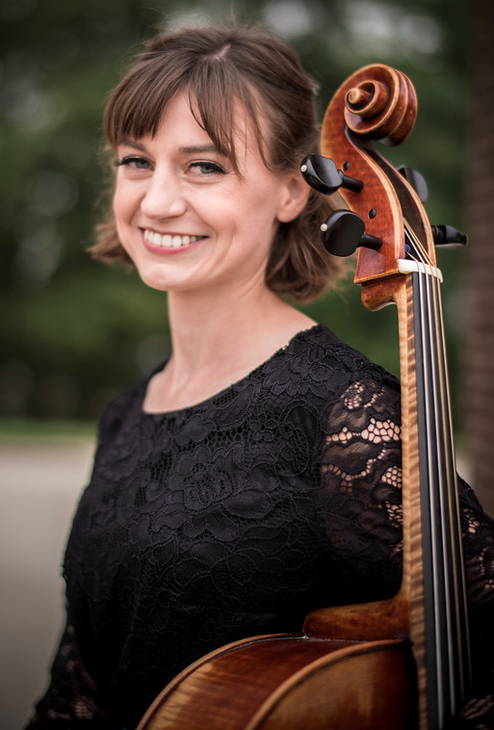
cello
Cullen O’Neil
Learn More >
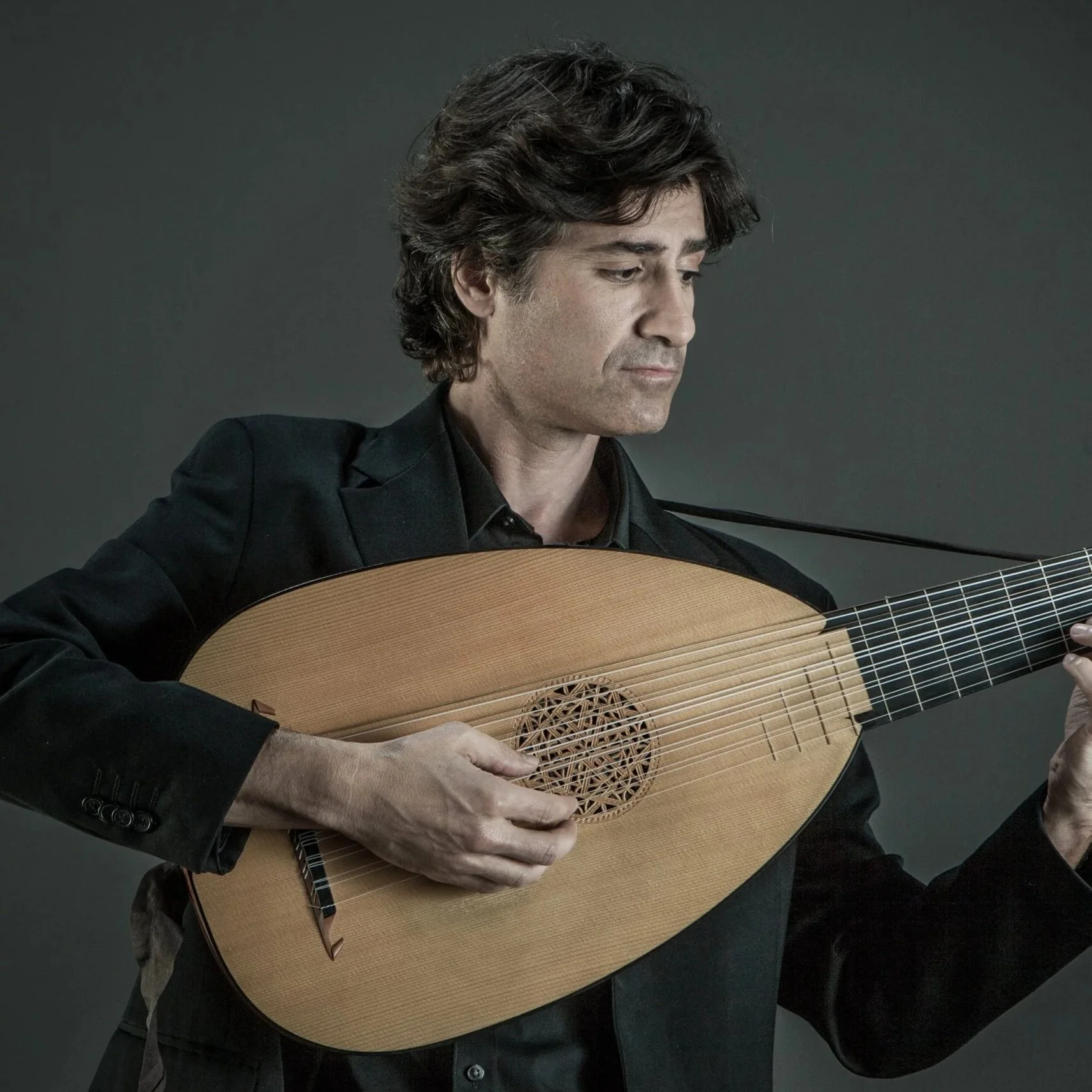
theorbo
Michael Leopold
Learn More >
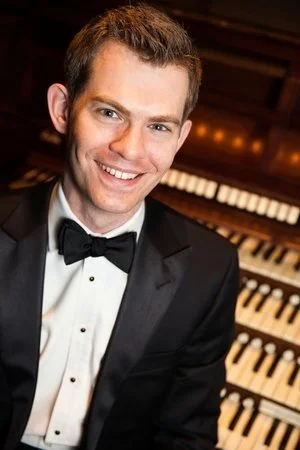
harpsichord
James Kennerley
Learn More >
LISTEN
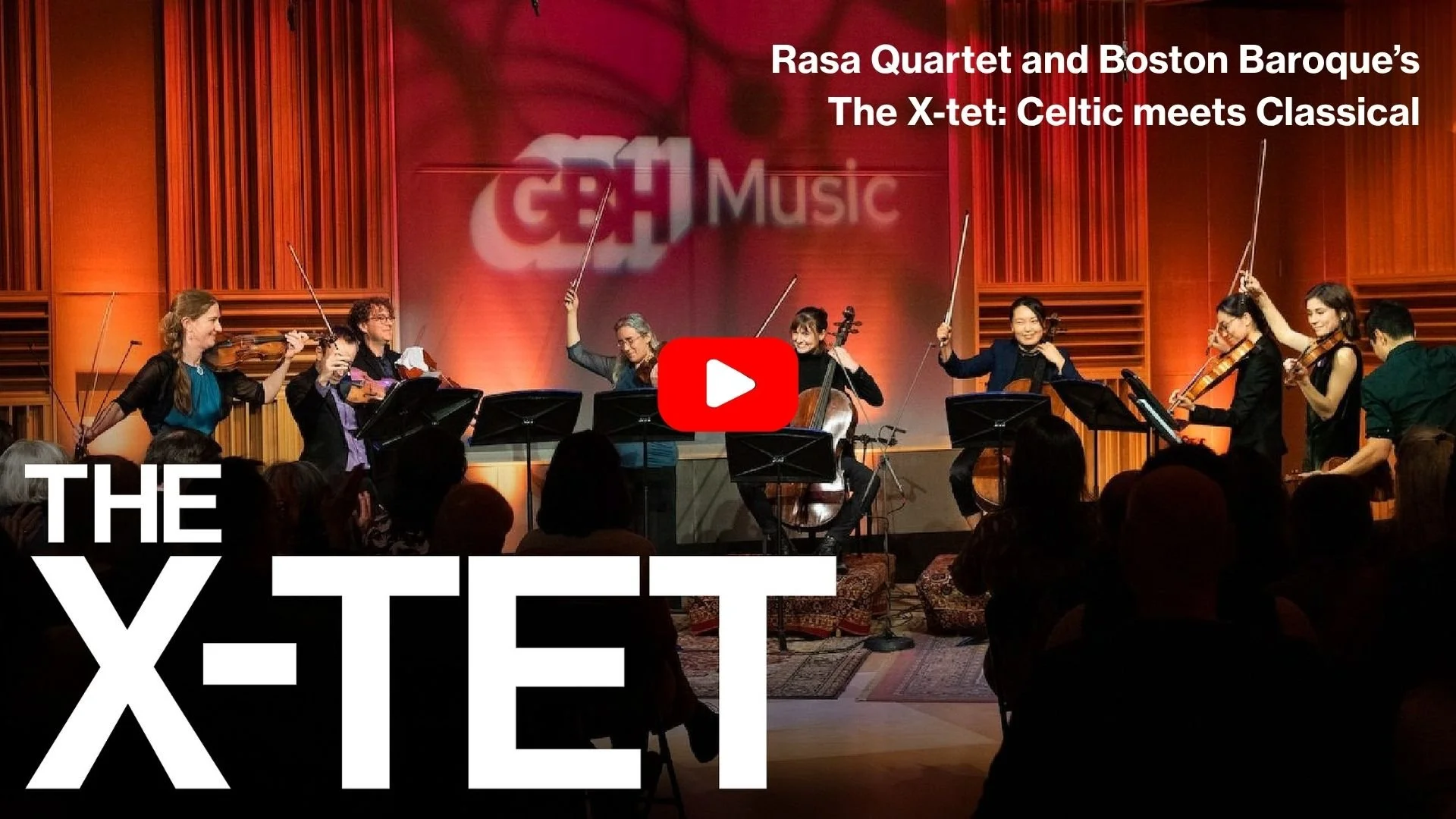
Explore recordings and highlights from past X-tet performances.
PROGRAM
Program selections and order are subject to change *
Maria Teresa Agnesi (1720–1795)
“Deh temprate, oh sommi Dei” from Ulisse in Campania
Dario Castello (1602–1631)
Sonata Quarta (Sonata No.4)
Antonio Bertali (1605–1669)
Sonata à 6 in D minor
Tomaso Albinoni (1671–1751)
Sinfonia a cinque (5th Symphony)
I. Grave
II. Allegro
III. Adagio
IV. Allegro
Antonio Vivaldi (1678-1741)
Concerto for Violin and Viola da Gamba in A major, RV 546
I. Allegro
II. Andante
III. Allegro
Antonio Archilei (c. 1542–1612)
"Dalle più alte sfere" from La pellegrina
George Frideric Handel (1685–1759)
Armida abbandonata, HWV 105
I. Recitativo: Dietro l’orme fugaci
II. Aria: Ah! crudele, e pur ten’ vai
III. Recitativo: Per te mi struggo, infido
IV. Recitativo: O voi, dell’incostante e procelloso mare orridi mostri
V. Aria: Venti, fermate, sì, nol sommergete
VI. Recitativo: Ma che parlo, che dico? Ah ch'io vaneggio!
VII. Aria: In tanti affanni miei
Johann Adolph Hasse (1699–1783)
“L’augelletto in lacci stretto” from Didone abbandonata
Anonymous
Tarantella del Gargano
Colin Jacobsen (b. 1978)
Morgantina Studies
Introduction: Excavations
The Thrill of Discovery
A Closer Examination
A Final Reveal
COMPOSERS
Colin Jacobsen (b. 1978)
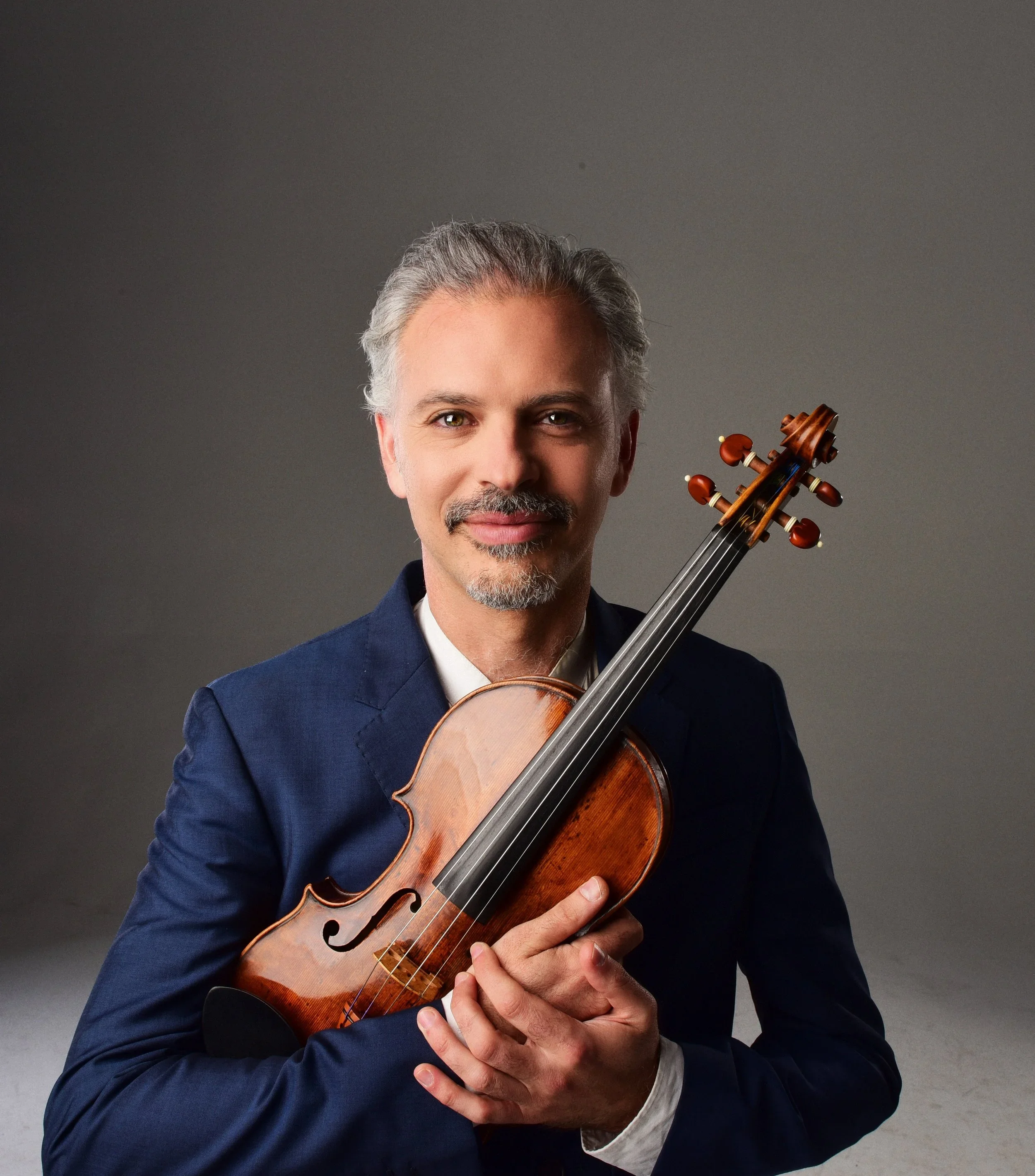
American violinist, composer, and arranger Colin Jacobsen is celebrated for music that bridges classical traditions with contemporary influences from around the world. A founding member of the acclaimed string ensemble Brooklyn Rider and a frequent collaborator with the Silkroad Ensemble, Jacobsen’s works are noted for their lyricism, rhythmic vitality, and spirit of musical exploration. Drawing inspiration from folk traditions, improvisation, and historical repertoire, he creates compositions that invite dialogue between past and present. His music often reflects a deep engagement with cultural exchange and storytelling, reimagining familiar traditions through a modern lens while preserving the expressive immediacy that has long defined chamber music.

George Frideric Handel (1685–1759)
George Frideric Handel, one of the towering figures of the Baroque era, was a composer of remarkable versatility whose music reflects the cosmopolitan influences of early eighteenth-century Europe. Although German by birth and later celebrated in England, Handel spent formative years in Italy, where he absorbed the expressive richness and dramatic flair of the Italian Baroque. During his travels in Florence, Rome, Naples, and Venice, he composed numerous Italian cantatas, oratorios, and operas, mastering the lyrical vocal style that would define much of his later career. Works such as Armida abbandonata reveal his gift for vivid characterization and emotional intensity, while his melodies and virtuosic writing embody the elegance and brilliance of the Italian tradition. These influences remained central to Handel’s music throughout his life, shaping a body of work that united German craftsmanship, Italian lyricism, and English grandeur.
Antonio Vivaldi (1678–1741)
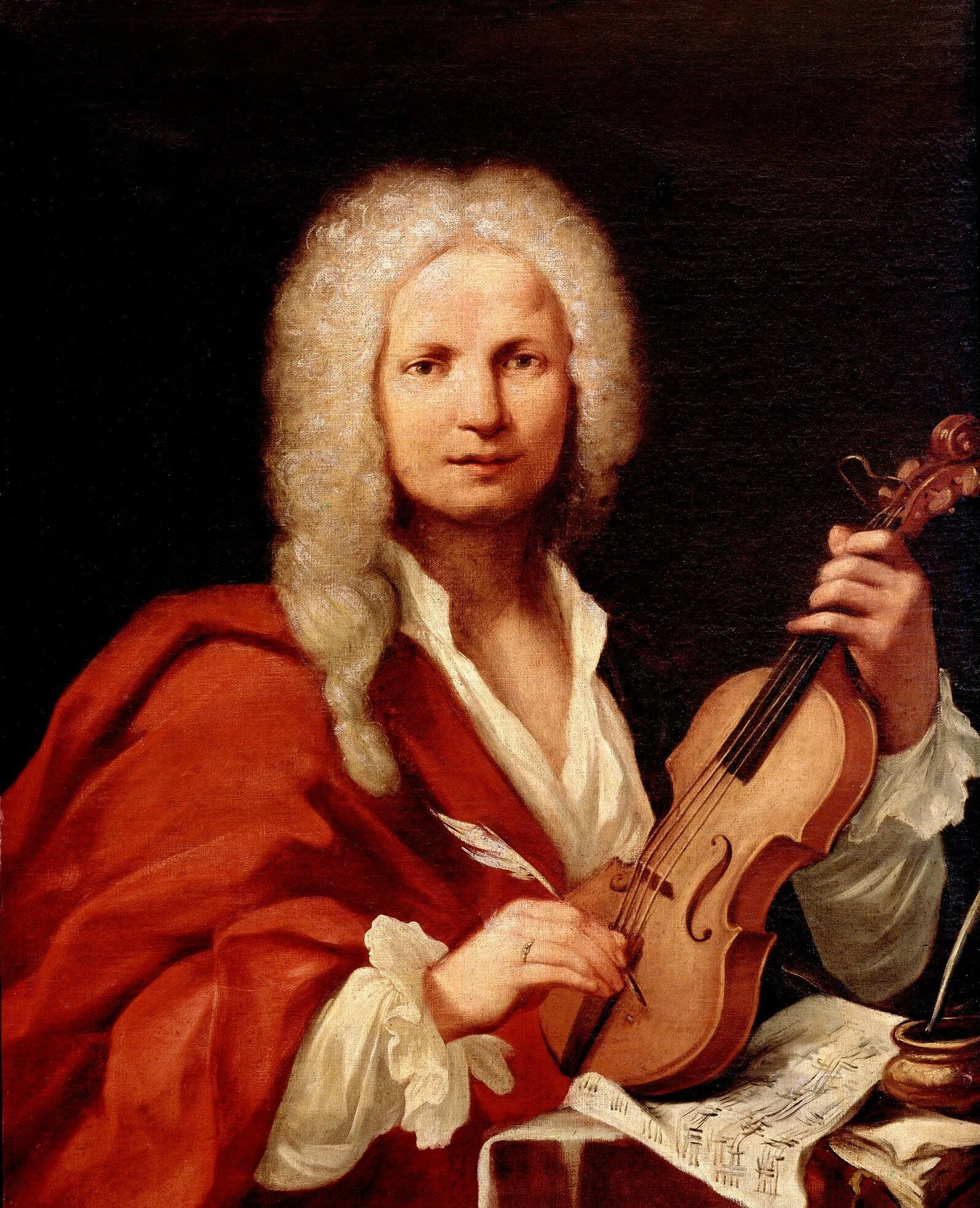
Antonio Vivaldi, the Venetian Baroque composer renowned for his concertos and operas, was one of the defining voices of Italian music in the early eighteenth century. Ordained as a priest and employed for much of his career at Venice’s Ospedale della Pietà, Vivaldi cultivated a distinctive style marked by brilliant virtuosity, vivid contrasts, and unforgettable melodies. His music reflects the rich musical traditions of Italy, from the lyrical expressiveness of opera to the rhythmic vitality of dance and the colorful evocations of nature found in works such as The Four Seasons. Through hundreds of concertos, sacred works, and chamber compositions, Vivaldi helped shape the Italian Baroque style, influencing composers across Europe and leaving a legacy that continues to captivate audiences with its energy, elegance, and imagination.
Dario Castello (fl. c. 1621–1631)
Dario Castello was an Italian composer and instrumentalist active in seventeenth-century Venice during the formative years of the Baroque era. A member of the musical establishment of St. Mark’s Basilica, he published two influential collections of Sonate concertate in stil moderno, works that exemplify the new expressive style emerging in Italy. Characterized by striking contrasts, virtuosic passagework, and a freedom of form inspired by vocal rhetoric, Castello’s sonatas helped define the idiomatic possibilities of instrumental music and paved the way for later Italian composers such as Vivaldi and Corelli. Rooted in the rich musical culture of Venice, his works embody the spirit of experimentation and dramatic expression that made Italy the center of Baroque innovation.
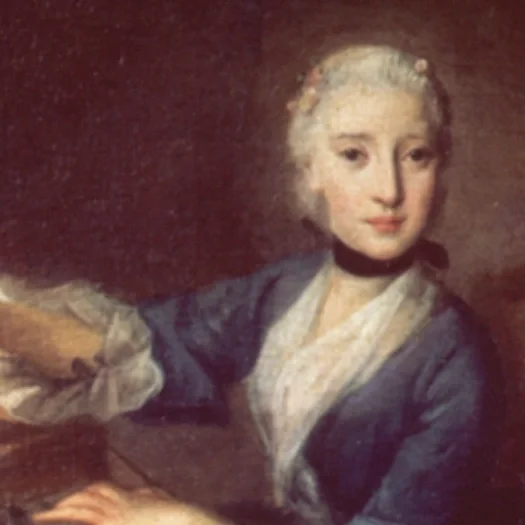
Maria Teresa Agnesi (1720–1795)
One of the most distinguished female composers of eighteenth-century Italy, Maria Teresa Agnesi was born in Milan and became renowned for her achievements as a composer, harpsichordist, and singer. Educated in the vibrant intellectual and artistic circles of Lombardy, she composed operas, cantatas, keyboard works, and sacred music at a time when few women enjoyed public recognition as composers. Her operas, including Ciro in Armenia and Ulisse in Campania, were praised for their expressive melodies and elegant treatment of Italian text, reflecting the graceful style of the late Baroque and early Classical periods. Closely connected to the musical traditions of northern Italy, Agnesi’s works reveal a sophisticated command of drama and lyricism, securing her place among the most remarkable Italian composers of the eighteenth century.
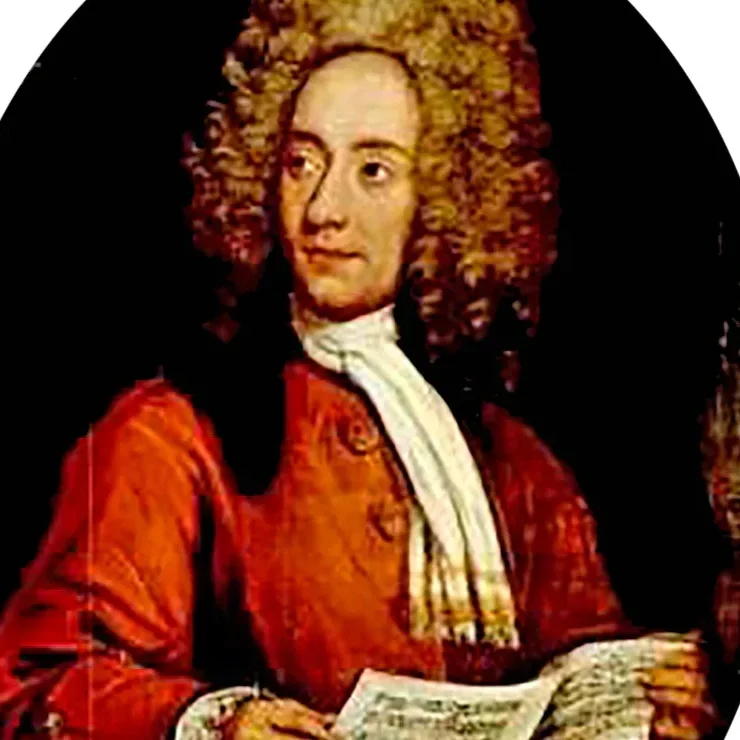
Tomaso Albinoni (1671–1751)
Born into a prosperous Venetian family, Tomaso Albinoni was one of Italy’s most celebrated composers of the late Baroque era. Though best known today for his instrumental music, Albinoni devoted much of his career to opera and vocal works, composing more than fifty operas for the stages of Venice and other Italian cities. His music is distinguished by its graceful melodies, clear textures, and lyrical elegance, qualities that made him widely admired throughout Europe. Albinoni’s concertos and sonatas helped shape the development of the Italian instrumental style, particularly through his expressive writing for oboe, an instrument he elevated to new prominence. Deeply rooted in the traditions of Venetian music and Italian vocal expression, his works embody the refinement and melodic beauty that defined the Italian Baroque and influenced composers including Johann Sebastian Bach.

Antonio Archilei (c. 1542–1612)
Antonio Archilei was an Italian composer, singer, and lutenist whose career flourished at the Medici court in Florence during the late Renaissance. A contemporary of Giulio Caccini and Jacopo Peri, Archilei participated in the artistic circles that gave rise to early opera and the new style of expressive solo song known as monody. He collaborated on the celebrated intermedi for La Pellegrina, staged in 1589 for the wedding festivities of Grand Duke Ferdinando I de’ Medici and Christina of Lorraine, and is associated with the solo madrigal Dalle più alte sfere, one of the earliest examples of dramatic vocal writing. Deeply rooted in the Italian language and its poetic traditions, Archilei’s music reflects the Florentine pursuit of heightened textual expression and rhetorical clarity that would shape the emergence of the Baroque era.
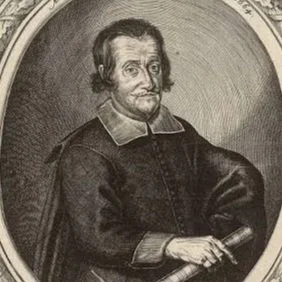
Antonio Bertali (1605–1669)
Antonio Bertali, an Italian composer and virtuoso violinist, brought the expressive richness of his homeland to the imperial court in Vienna, where he spent much of his career. His instrumental music combines lyrical warmth with intricate interplay, giving individual voices space to shine within a richly woven ensemble. In his Sonata à 6 in D minor, six instrumental parts create a musical conversation, reflecting the seventeenth-century fascination with contrasting textures and sonorities. Blending elegance, invention, and dramatic energy, Bertali helped shape the flourishing instrumental traditions of the early Baroque.