
2026-27 Season > The X-tet: Songs of The Aviary
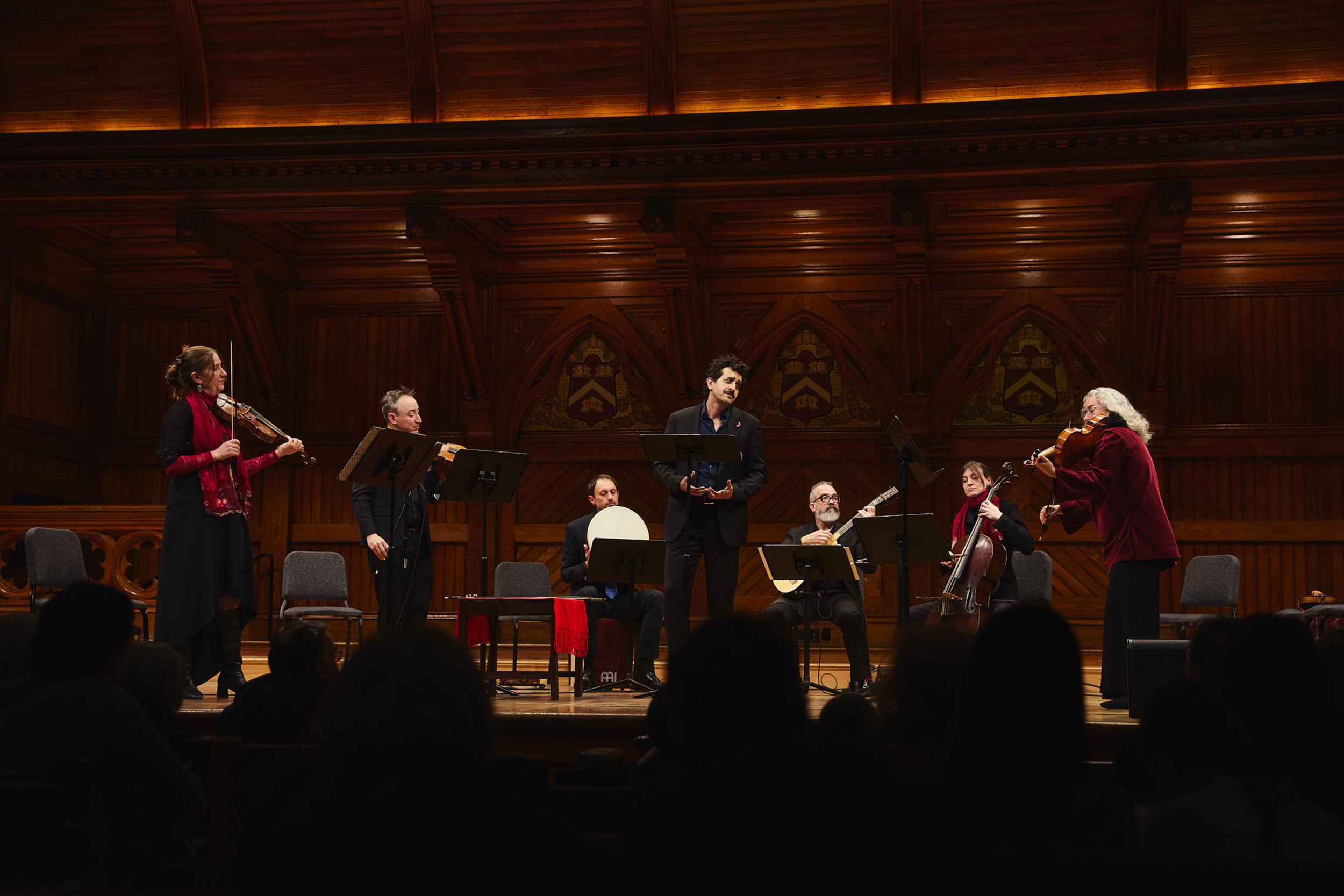
Join Boston Baroque for an imaginative program exploring the ways composers have listened to, imitated, and been inspired by the natural world.
For centuries, birdsong has found its way into music. Long before field recordings and modern technology, composers attempted to capture the calls of cuckoos, nightingales, and other birds through instrumental music. This program brings together works from the seventeenth and eighteenth centuries that transform birdsong into musical motifs, from the playful cuckoo calls of Biber and Schmelzer to the vivid evocations of spring in Vivaldi and Rameau’s elegant portrait of birds in conversation.
At the center of the program is the world premiere of a new work by composer Lei Liang. Inspired by the song of the Kauaʻi ʻōʻō, a Hawaiian bird declared extinct in 1987, the piece reflects on memory, loss, and the traces that remain after a voice has disappeared. The final recording of a male Kauaʻi ʻōʻō calling for a mate that would never answer has become one of the most haunting documents of extinction in the modern era, offering a powerful point of connection between the natural world and musical expression.
Spanning more than three centuries, these works reveal how composers have drawn inspiration from birds not only as subjects for imitation but as symbols of beauty, wonder, remembrance, and change.
Join us at Sanders Theatre for a unique evening that connects Baroque masterpieces with a newly created work, inviting listeners to hear familiar sounds and the natural world itself with fresh ears.
Date/Time
Friday, May 14, 2027 | 7:30 PM
Estimated Run Time
90 MIN | No Intermission
Location
Harvard’s Sanders Theatre | 45 Quincy St, Cambridge, MA 02138
Ticket Prices
$30 - $70
ARTISTS

violin
Christina Day Martinson
Learn More >

violin
Jesse Irons
Learn More >
viola
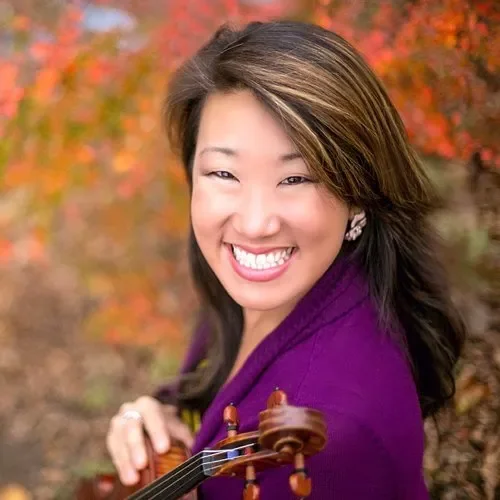
Lauren Nelson
Learn More >

LISTEN
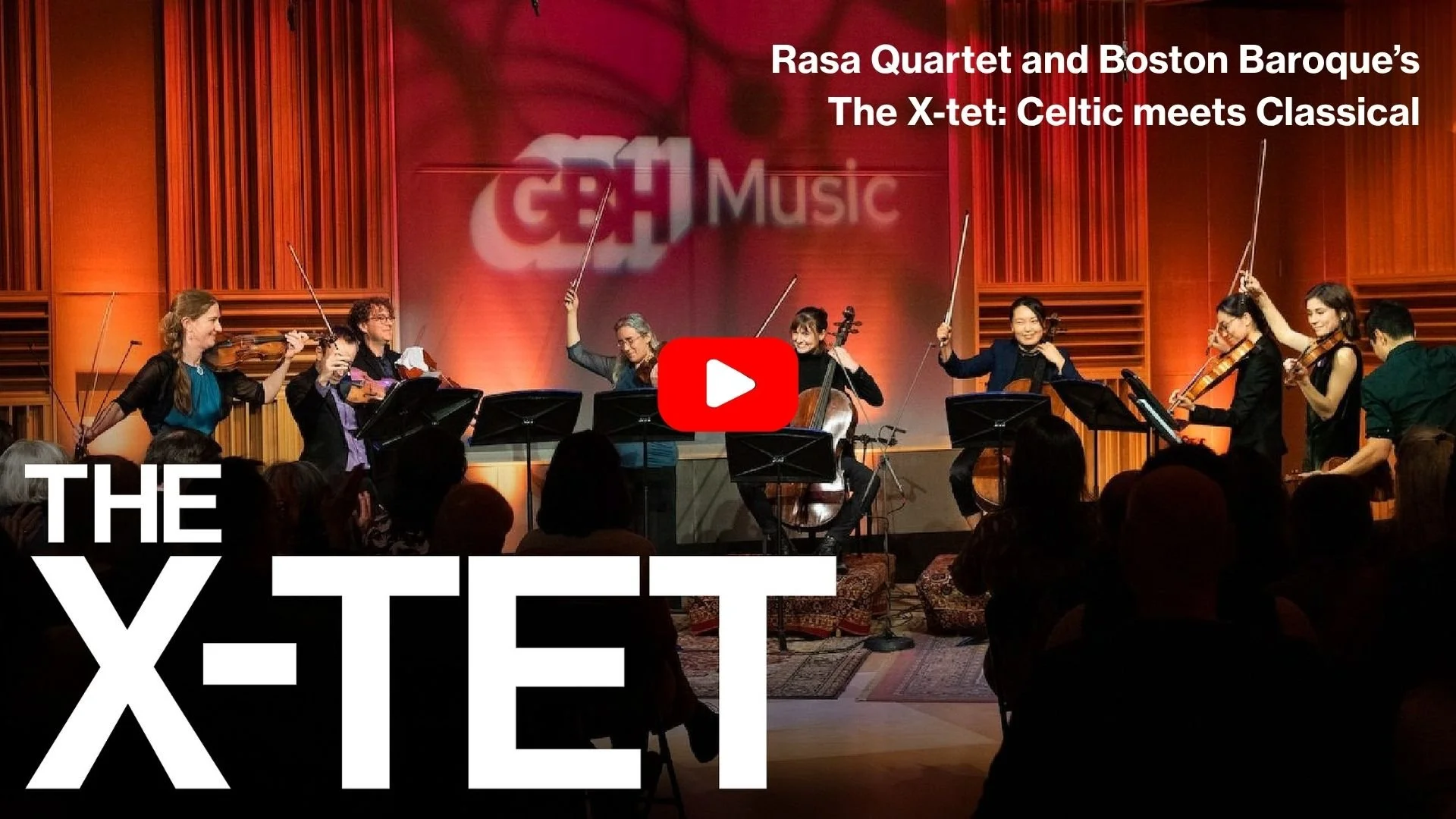
Explore recordings and highlights from past X-tet performances.
PROGRAM
Selections include works by Biber, Vivaldi, Schmelzer, and Rameau, alongside the world premiere of a new work by Lei Liang inspired by the extinct Kauaʻi ʻōʻō bird. Additional repertoire to be announced.
COMPOSERS

Lei Liang (b. 1972)
Chinese-American composer Lei Liang is celebrated for music that draws profound connections between memory, nature, and cultural heritage. A recipient of the Rome Prize and a professor of composition at the University of California, San Diego, Liang is known for works that blend contemporary techniques with inspirations drawn from traditional Asian music, environmental soundscapes, and oral histories. His compositions often give voice to disappearing cultures, endangered ecosystems, and overlooked stories, creating deeply evocative musical experiences that invite listeners to reflect on humanity’s relationship with the natural world. Through a language that is both imaginative and deeply expressive, Liang’s music transforms sound into a space for remembrance, wonder, and renewal.
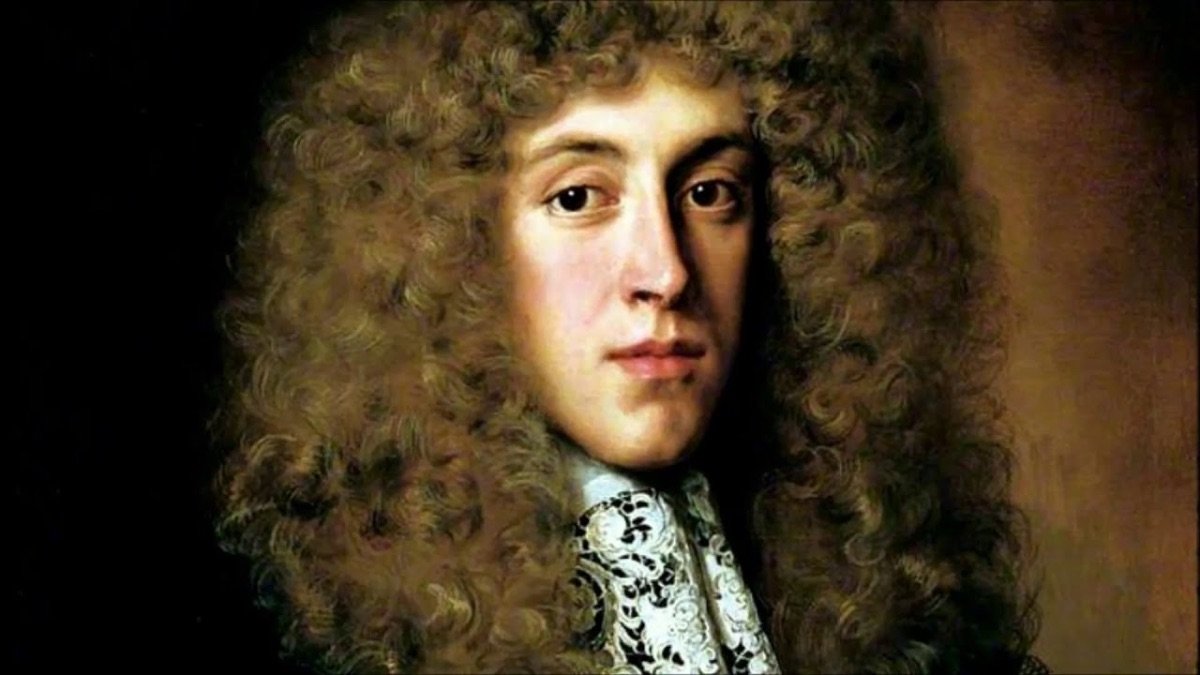
Heinrich Ignaz Franz Biber (1644–1704)
Heinrich Ignaz Franz Biber, one of the most inventive violin virtuosos of the seventeenth century, delighted in bringing the sounds of the natural world into his music. Working at the court of Salzburg, Biber cultivated a style rich in imagination, technical brilliance, and vivid musical imagery. His celebrated Sonata Representativa is among the most remarkable examples of program music from the Baroque era, using ingenious effects to imitate the calls of birds and other animals. Blending humor with extraordinary craftsmanship, Biber’s music reveals a fascination with the world around him and a belief that instrumental music could capture the wonder and variety of nature itself.
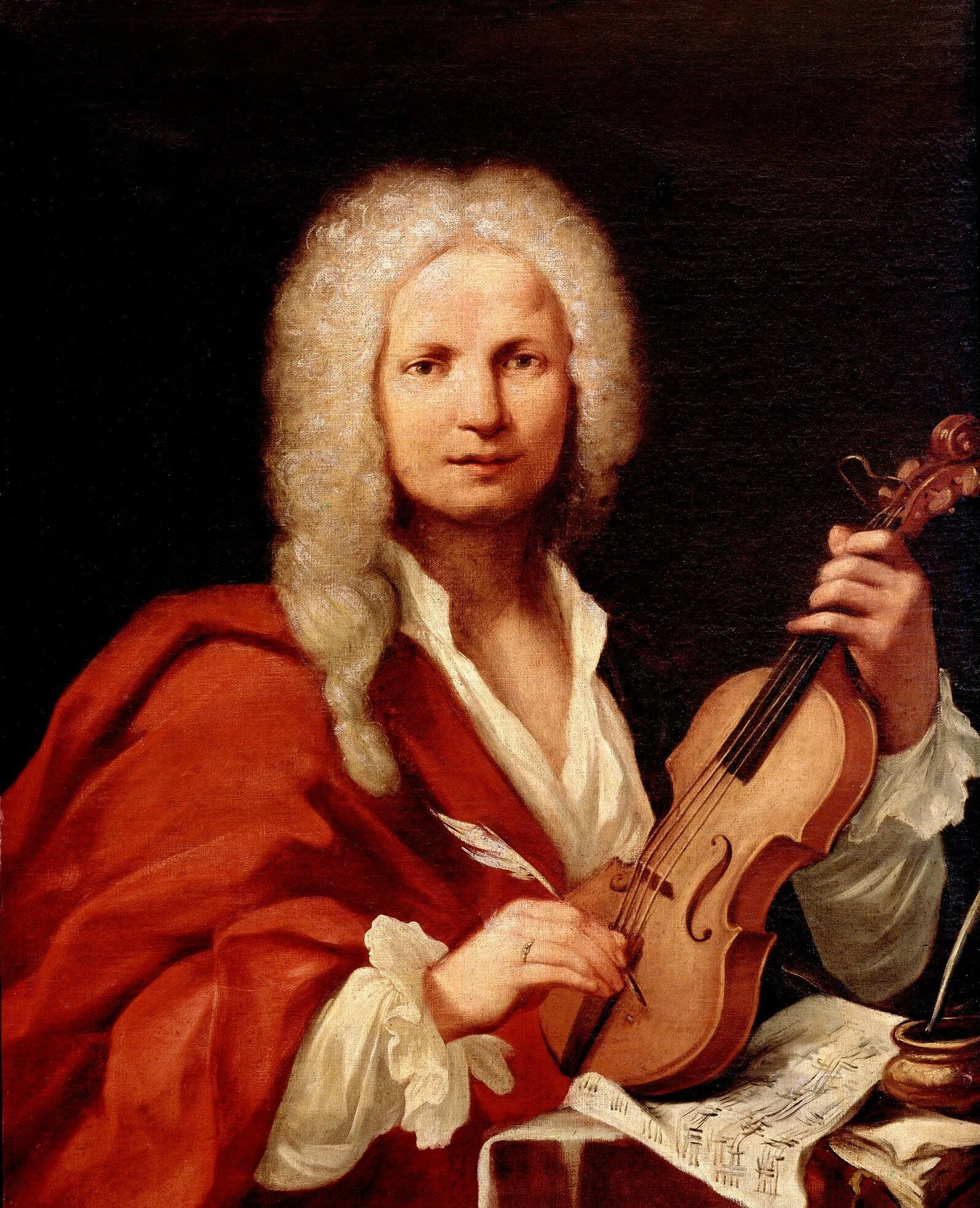
Antonio Vivaldi (1678–1741)
Antonio Vivaldi, the Venetian Baroque composer renowned for his concertos and operas, possessed a remarkable gift for musical storytelling. His works frequently drew inspiration from the natural world, nowhere more famously than in The Four Seasons, where birdsong, storms, and pastoral scenes come vividly to life through instrumental color and rhythmic energy. Combining virtuosity with memorable melodies, Vivaldi transformed familiar sights and sounds into musical experiences that evoke both the beauty and drama of the changing seasons. His enduring fascination with nature helped establish a tradition of musical depiction that would inspire generations of composers.
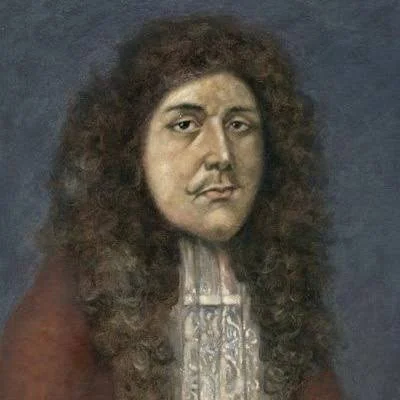
Johann Heinrich Schmelzer (c. 1620–1680)
Johann Heinrich Schmelzer, a leading figure of the Austrian Baroque and one of the first great violin composers north of the Alps, was celebrated for music of elegance, imagination, and theatrical flair. Serving at the imperial court in Vienna, Schmelzer embraced the growing taste for programmatic music, creating works that translated everyday sounds and scenes into instrumental expression. His playful “Cuckoo Sonata” captures the distinctive call of the bird with wit and charm, reflecting the Baroque fascination with imitation and the close observation of the natural world. Through such works, Schmelzer helped expand the expressive possibilities of instrumental music.

Jean-Philippe Rameau (1683–1764)
Jean-Philippe Rameau, the foremost French composer of the eighteenth century, brought extraordinary refinement and color to both the operatic stage and the keyboard. Deeply inspired by nature and the pastoral traditions of French art, Rameau often used music to evoke birds, breezes, and scenes of idyllic beauty. His keyboard piece Le rappel des oiseaux (“The Call of the Birds”) captures the lively interplay of birds in conversation, transforming their songs into elegant and spirited musical gestures. Combining grace, imagination, and a keen sensitivity to sound, Rameau created music that celebrates the beauty and wonder of the natural world.